
Research ArticleHepatologyImmunologyMetabolism
Open Access |  10.1172/jci.insight.200231
IL-10 attenuates metabolic dysfunction–associated steatotic liver disease via modulation of hepatic responses to lipotoxicity
Akira Kado,1,2 Kazuya Okushin,1,3 Takeya Tsutsumi,3,4 Toshiyuki Kishida,4 Kazuhiko Ikeuchi,4 Hiroshi Yotsuyanagi,5 Kyoji Moriya,3,4,6 Kazuhiko Koike,1,7 and Mitsuhiro Fujishiro1
1Department of Gastroenterology, Graduate School of Medicine;
2Division for Health Service Promotion;
3Department of Infection Control and Prevention, Graduate School of Medicine;
4Department of Infectious Diseases, Graduate School of Medicine; and
5Division of Infectious Diseases, Advanced Clinical Research Center, Institute of Medical Science, The University of Tokyo, Tokyo, Japan.
6Division of Infection Control and Prevention, Education Research Center, Tokyo Health Care University, Higashigotanda, Shinagawa-ku, Tokyo, Japan.
7Department of Gastroenterology, Kanto Central Hospital, Kamiyoga, Setagaya-ku, Tokyo, Japan.
Address correspondence to: Takeya Tsutsumi, Department of Infection Control and Prevention, Graduate School of Medicine, The University of Tokyo, 7-3-1 Hongo, Bunkyo-ku, Tokyo 113-8654, Japan. Phone: 81 3.5800.8800; Email: takeyatsutsumi@g.ecc.u-tokyo.ac.jp.
Find articles by Kado, A. in: PubMed | Google Scholar
1Department of Gastroenterology, Graduate School of Medicine;
2Division for Health Service Promotion;
3Department of Infection Control and Prevention, Graduate School of Medicine;
4Department of Infectious Diseases, Graduate School of Medicine; and
5Division of Infectious Diseases, Advanced Clinical Research Center, Institute of Medical Science, The University of Tokyo, Tokyo, Japan.
6Division of Infection Control and Prevention, Education Research Center, Tokyo Health Care University, Higashigotanda, Shinagawa-ku, Tokyo, Japan.
7Department of Gastroenterology, Kanto Central Hospital, Kamiyoga, Setagaya-ku, Tokyo, Japan.
Address correspondence to: Takeya Tsutsumi, Department of Infection Control and Prevention, Graduate School of Medicine, The University of Tokyo, 7-3-1 Hongo, Bunkyo-ku, Tokyo 113-8654, Japan. Phone: 81 3.5800.8800; Email: takeyatsutsumi@g.ecc.u-tokyo.ac.jp.
Find articles by Okushin, K. in: PubMed | Google Scholar
1Department of Gastroenterology, Graduate School of Medicine;
2Division for Health Service Promotion;
3Department of Infection Control and Prevention, Graduate School of Medicine;
4Department of Infectious Diseases, Graduate School of Medicine; and
5Division of Infectious Diseases, Advanced Clinical Research Center, Institute of Medical Science, The University of Tokyo, Tokyo, Japan.
6Division of Infection Control and Prevention, Education Research Center, Tokyo Health Care University, Higashigotanda, Shinagawa-ku, Tokyo, Japan.
7Department of Gastroenterology, Kanto Central Hospital, Kamiyoga, Setagaya-ku, Tokyo, Japan.
Address correspondence to: Takeya Tsutsumi, Department of Infection Control and Prevention, Graduate School of Medicine, The University of Tokyo, 7-3-1 Hongo, Bunkyo-ku, Tokyo 113-8654, Japan. Phone: 81 3.5800.8800; Email: takeyatsutsumi@g.ecc.u-tokyo.ac.jp.
Find articles by Tsutsumi, T. in: PubMed | Google Scholar
1Department of Gastroenterology, Graduate School of Medicine;
2Division for Health Service Promotion;
3Department of Infection Control and Prevention, Graduate School of Medicine;
4Department of Infectious Diseases, Graduate School of Medicine; and
5Division of Infectious Diseases, Advanced Clinical Research Center, Institute of Medical Science, The University of Tokyo, Tokyo, Japan.
6Division of Infection Control and Prevention, Education Research Center, Tokyo Health Care University, Higashigotanda, Shinagawa-ku, Tokyo, Japan.
7Department of Gastroenterology, Kanto Central Hospital, Kamiyoga, Setagaya-ku, Tokyo, Japan.
Address correspondence to: Takeya Tsutsumi, Department of Infection Control and Prevention, Graduate School of Medicine, The University of Tokyo, 7-3-1 Hongo, Bunkyo-ku, Tokyo 113-8654, Japan. Phone: 81 3.5800.8800; Email: takeyatsutsumi@g.ecc.u-tokyo.ac.jp.
Find articles by Kishida, T. in: PubMed | Google Scholar
1Department of Gastroenterology, Graduate School of Medicine;
2Division for Health Service Promotion;
3Department of Infection Control and Prevention, Graduate School of Medicine;
4Department of Infectious Diseases, Graduate School of Medicine; and
5Division of Infectious Diseases, Advanced Clinical Research Center, Institute of Medical Science, The University of Tokyo, Tokyo, Japan.
6Division of Infection Control and Prevention, Education Research Center, Tokyo Health Care University, Higashigotanda, Shinagawa-ku, Tokyo, Japan.
7Department of Gastroenterology, Kanto Central Hospital, Kamiyoga, Setagaya-ku, Tokyo, Japan.
Address correspondence to: Takeya Tsutsumi, Department of Infection Control and Prevention, Graduate School of Medicine, The University of Tokyo, 7-3-1 Hongo, Bunkyo-ku, Tokyo 113-8654, Japan. Phone: 81 3.5800.8800; Email: takeyatsutsumi@g.ecc.u-tokyo.ac.jp.
Find articles by Ikeuchi, K. in: PubMed | Google Scholar
1Department of Gastroenterology, Graduate School of Medicine;
2Division for Health Service Promotion;
3Department of Infection Control and Prevention, Graduate School of Medicine;
4Department of Infectious Diseases, Graduate School of Medicine; and
5Division of Infectious Diseases, Advanced Clinical Research Center, Institute of Medical Science, The University of Tokyo, Tokyo, Japan.
6Division of Infection Control and Prevention, Education Research Center, Tokyo Health Care University, Higashigotanda, Shinagawa-ku, Tokyo, Japan.
7Department of Gastroenterology, Kanto Central Hospital, Kamiyoga, Setagaya-ku, Tokyo, Japan.
Address correspondence to: Takeya Tsutsumi, Department of Infection Control and Prevention, Graduate School of Medicine, The University of Tokyo, 7-3-1 Hongo, Bunkyo-ku, Tokyo 113-8654, Japan. Phone: 81 3.5800.8800; Email: takeyatsutsumi@g.ecc.u-tokyo.ac.jp.
Find articles by Yotsuyanagi, H. in: PubMed | Google Scholar
1Department of Gastroenterology, Graduate School of Medicine;
2Division for Health Service Promotion;
3Department of Infection Control and Prevention, Graduate School of Medicine;
4Department of Infectious Diseases, Graduate School of Medicine; and
5Division of Infectious Diseases, Advanced Clinical Research Center, Institute of Medical Science, The University of Tokyo, Tokyo, Japan.
6Division of Infection Control and Prevention, Education Research Center, Tokyo Health Care University, Higashigotanda, Shinagawa-ku, Tokyo, Japan.
7Department of Gastroenterology, Kanto Central Hospital, Kamiyoga, Setagaya-ku, Tokyo, Japan.
Address correspondence to: Takeya Tsutsumi, Department of Infection Control and Prevention, Graduate School of Medicine, The University of Tokyo, 7-3-1 Hongo, Bunkyo-ku, Tokyo 113-8654, Japan. Phone: 81 3.5800.8800; Email: takeyatsutsumi@g.ecc.u-tokyo.ac.jp.
Find articles by Moriya, K. in: PubMed | Google Scholar
1Department of Gastroenterology, Graduate School of Medicine;
2Division for Health Service Promotion;
3Department of Infection Control and Prevention, Graduate School of Medicine;
4Department of Infectious Diseases, Graduate School of Medicine; and
5Division of Infectious Diseases, Advanced Clinical Research Center, Institute of Medical Science, The University of Tokyo, Tokyo, Japan.
6Division of Infection Control and Prevention, Education Research Center, Tokyo Health Care University, Higashigotanda, Shinagawa-ku, Tokyo, Japan.
7Department of Gastroenterology, Kanto Central Hospital, Kamiyoga, Setagaya-ku, Tokyo, Japan.
Address correspondence to: Takeya Tsutsumi, Department of Infection Control and Prevention, Graduate School of Medicine, The University of Tokyo, 7-3-1 Hongo, Bunkyo-ku, Tokyo 113-8654, Japan. Phone: 81 3.5800.8800; Email: takeyatsutsumi@g.ecc.u-tokyo.ac.jp.
Find articles by Koike, K. in: PubMed | Google Scholar
1Department of Gastroenterology, Graduate School of Medicine;
2Division for Health Service Promotion;
3Department of Infection Control and Prevention, Graduate School of Medicine;
4Department of Infectious Diseases, Graduate School of Medicine; and
5Division of Infectious Diseases, Advanced Clinical Research Center, Institute of Medical Science, The University of Tokyo, Tokyo, Japan.
6Division of Infection Control and Prevention, Education Research Center, Tokyo Health Care University, Higashigotanda, Shinagawa-ku, Tokyo, Japan.
7Department of Gastroenterology, Kanto Central Hospital, Kamiyoga, Setagaya-ku, Tokyo, Japan.
Address correspondence to: Takeya Tsutsumi, Department of Infection Control and Prevention, Graduate School of Medicine, The University of Tokyo, 7-3-1 Hongo, Bunkyo-ku, Tokyo 113-8654, Japan. Phone: 81 3.5800.8800; Email: takeyatsutsumi@g.ecc.u-tokyo.ac.jp.
Find articles by
Fujishiro, M.
in:
PubMed
|
Google Scholar
|

Published April 23, 2026 - More info
JCI Insight. 2026;11(12):e200231. https://doi.org/10.1172/jci.insight.200231.
© 2026 Kado et al. This work is licensed under the Creative Commons Attribution 4.0 International License. To view a copy of this license, visit http://creativecommons.org/licenses/by/4.0/.
Received: September 22, 2025; Accepted: April 21, 2026


-
Results
IL-10 regulates hepatic lipid accumulation. We assessed the effects of IL-10 on hepatic lipid accumulation in vivo using HFD-fed mice (Figure 1A) and in vitro using PA-exposed hepatocyte models. Body weight (BW) was increased in HFD-fed mice compared with controls fed a normal diet (ND), but among HFD-fed mice, it was decreased in the IL-10 treatment group (Figure 1B). To evaluate whether the attenuation of BW gain could be explained by altered caloric consumption, food intake was monitored and did not differ between ND and ND+IL-10 groups, whereas HFD feeding increased food intake compared with ND. In HFD-fed mice, IL-10 treatment was associated with a reduction in food intake after treatment initiation (Figure 1C). Serum aspartate aminotransferase (AST), alanine aminotransferase (ALT), triglyceride (TG), total cholesterol (T-CHO), and non-esterified FA (NEFA) levels were increased in HFD-fed mice, with a reduction after IL-10 treatment (Figure 1D). Hepatic lipid droplet accumulation was visually and quantitatively assessed, revealing that IL-10 reduced lipid droplet accumulation induced by the HFD (Figure 1E). To assess in vivo IL-10–induced exposure, we quantified circulating and hepatic IL-10 levels when the mice were euthanized. Among HFD-fed mice, IL-10 increased serum and hepatic IL-10 levels compared with nontreatment, whereas these levels were not increased in HFD-fed mice compared with ND-fed mice (Figure 1F). IL-10 increased IL-10Rα protein expression among ND- and HFD-fed mice (Figure 1G). To further investigate the hepatic response to IL-10, IHC staining for IL-10Rα in liver tissues was performed (Supplemental Figure 1; supplemental material available online with this article; https://doi.org/10.1172/jci.insight.200231DS1). This staining showed increased IL-10Rα immunoreactivity in non-parenchymal regions in HFD-fed mice compared with ND-fed mice, while intracellular staining in hepatocytes was more prominent after IL-10 treatment. To further characterize lipid metabolic pathways, we assessed FA-related enzymes: fatty acid synthase (FAS), FA β-oxidation (carnitine palmitoyltransferase [CPT] 1 and CPT2), and PPARα (20). Although HFD increased FAS, CPT1, and PPARα levels, IL-10 reduced FAS, increased CPT1 and CPT2, and interestingly had no effect on PPARα (Figure 1H). To assess whether these in vivo findings were recapitulated in hepatocytes under lipotoxic stress, we examined lipid accumulation in NHHs after PA exposure. IL-10 reduced PA-induced lipid droplet accumulation compared with controls (Figure 2A), with similar trends observed in HepG2 cells (Supplemental Figure 2, A–C). Then, changes in mRNA expression of IL-10Rα showed almost the same results as in liver tissues (Figure 2B). FA-related enzyme expression in vitro mirrored in vivo findings (Figure 2C).
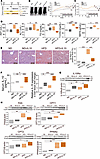 Figure 1
IL-10 suppresses hepatic lipid accumulation in HFD-fed mice. (A) Four experimental groups (ND, ND+IL-10, HFD, and HFD+IL-10). (B) Representative images of mice from 4 experimental groups before euthanasia and body weights in each group. *P < 0.05 versus ND-fed mice (control); #P < 0.05 versus HFD-fed mice. Scale bar: 2 cm. (C) Food intake in each group. Food intake is monitored throughout the treatment period and expressed as mean (g/d) per mouse. (D) Fasting serum levels of AST, ALT, TG, T-CHO, and NEFA at euthanasia. (E) Oil Red O staining of the liver tissue sections and Oil Red O–positive area (percentage) in each view. Scale bar: 200 μm. The analysis was performed 4 times per group using different views. (F) Serum IL-10 levels at euthanization; quantitative hepatic IL-10 levels and relative fold-changes compared with control. (G and H) Immunoblot analysis of IL-10Rα, FAS, CPT1, CPT2, and PPARα. Protein band intensities are normalized to β-actin and expressed as ratios. Box-and-whisker plots show the median, IQR, and full data range. One-way ANOVA followed by Tukey’s multiple-comparison test; n = 4, *P < 0.05, **P < 0.01, ***P < 0.001. CPT, carnitine palmitoyltransferase; FAS, fatty acid synthase; HFD, high-fat diet; ND, normal diet.
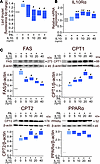 Figure 2
IL-10 suppresses hepatic lipid accumulation in NHHs. (A) NHHs were incubated with PA (0, 5, 10, 20, and 40 ng/mL) or with DMEM alone (control) for 24 hours. Quantitative lipid droplet accumulation and relative fold-changes compared with control. (B) mRNA expression levels in IL-10Rα and relative fold-changes compared with control normalized to GAPDH. (C) Immunoblot analysis of FAS, CPT1, CPT2, and PPARα. Protein band intensities are normalized to β-actin and expressed as ratios. Box-and-whisker plots show the median, IQR, and full data range. One-way ANOVA followed by Tukey’s multiple-comparison test; n = 3, *P < 0.05 versus non-PA and IL-10 (0 ng/mL) (control); #P < 0.05 versus PA and IL-10 (0 ng/mL). CPT, carnitine palmitoyltransferase; FAS, fatty acid synthase; NHHs, normal human hepatocytes.
Furthermore, the same analysis was performed after short-term IL-10 treatment to evaluate IL-10 temporal effects. Using the same mouse-rearing method, IL-10 treatment duration was reduced from 6 weeks to 1 week (Supplemental Figure 3A). In the short-term, BW gain was reduced (Supplemental Figure 3B), and food intake showed a similar directional change, with a trend toward reduction in HFD-fed mice after IL-10 initiation; however, the magnitude was smaller and statistically significant (Supplemental Figure 3C). Short-term IL-10 treatment also reduced serum AST, ALT, TG, T-CHO, and NEFA levels and hepatic lipid droplet accumulation (Supplemental Figure 3, D and E). Among HFD-fed mice, IL-10 increased IL-10Rα protein expression and serum and hepatic IL-10 levels compared with nontreatment (Supplemental Figure 4, A–C). Regarding FA metabolism, the results resembled those of long-term IL-10 treatment; however, CPT1 and CPT2 levels remained unchanged in HFD-fed mice receiving short-term IL-10 treatment (Supplemental Figure 4D). These findings suggest that IL-10 reduced hepatic lipid accumulation in both short- and long-term settings, with broader changes in β-oxidation enzymes observed after prolonged treatment.
IL-10 attenuates pathological steatotic change. We assessed liver weight (LW), the LW/BW ratio, and H&E and Masson’s trichrome staining in liver pathology and quantified hepatic steatosis, lobular inflammation, hepatocyte ballooning, and fibrosis. IL-10 reduced LW, which had been increased by the HFD, compared with controls, and the LW/BW ratio remained unchanged (Figure 3A). The treatment also reduced HFD-induced steatosis and lobular inflammation but did not alter hepatocyte ballooning or fibrosis (Figure 3, B and C). Notably, IL-10 decreased mRNA expression levels of COL1A1 and COl1A2 fibrosis markers (21), which were elevated by the HFD (Figure 3D). To further assess the activation of hepatic stellate cells involved in liver inflammation and fibrosis (22), we performed immunostaining for α–smooth muscle actin (α-SMA) and IL-10Rα (Supplemental Figure 5); α-SMA signal was increased in HFD-fed mice with a reduction after IL-10 treatment. In short-term IL-10 treatment, IL-10 did not alter LW or COL1A1 and COL1A2 expression in HFD-fed mice (Supplemental Figure 6, A and D). Hepatic pathological assessments largely mirrored findings from long-term IL-10 treatment (Supplemental Figure 6, B and C). These findings suggest that IL-10 improves steatosis and lobular inflammation and reduces fibrogenic gene expression, although hepatocyte ballooning and fibrosis scores remained unchanged, consistent with relatively early-stage HFD phenotype and the limited dynamic range within the study duration.
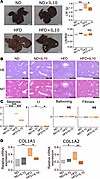 Figure 3
Long-term IL-10 treatment provides hepatic histological improvement in HFD-fed mice. (A) Representative images of mouse livers from 4 experimental groups, LWs in each group, and the LW/BW ratio. Scale bar: 5 mm. (B) H&E and Masson’s trichrome staining to evaluate liver histology. Scale bar: 500 μm. (C) Hepatic steatosis, lobular inflammation, hepatocyte ballooning, and fibrosis staging. (D) mRNA expression levels in COL1A1 and COL1A2 were examined and normalized to GAPDH. All data are presented as box-and-whisker plots showing the median, IQR, and full data range. One-way ANOVA followed by Tukey’s multiple-comparison test; n = 4, *P < 0.05, **P < 0.01, ***P < 0.001. BW, body weight; HFD, high-fat diet; LW, liver weight; ND, normal diet.
IL-10 modulates hepatic glucose content and glucose-related pathways. We next examined systemic and hepatic glucose-related phenotypes. Blood biochemistry analysis showed that fasting blood glucose (FBG) levels were elevated in HFD-fed mice compared with controls, but IL-10 reduced FBG in HFD-fed mice (Figure 4A). Hepatic glucose content quantification revealed that IL-10 further increased hepatic glucose content induced by the HFD compared with nontreatment (Figure 4B). IL-10 also reduced serum insulin levels and homeostatic model assessment for IR (HOMA-IR), both of which were elevated by the HFD (Figure 4C). To strengthen fasting-based assessment of insulin sensitivity beyond HOMA-IR, we calculated the quantitative insulin sensitivity check index (QUICKI) from fasting glucose and insulin values (QUICKI = 1/[log(I0) + log(G0)]) (23). IL-10 also increased QUICKI, which were decreased by HFD; these results suggest that IL-10 suppresses IR. We also evaluated the effects of IL-10 on enzymes related to glucose metabolism, specifically glucose uptake (glucose transporter 2 [GLUT2]), glycolysis (glucokinase [GK]), glycogen synthesis (glycogen synthase [GS]), and degradation (glycogen phosphorylase [GP]), and gluconeogenesis-related enzyme expression (phosphoenolpyruvate carboxykinase 1 [PCK1]). Given that glycogen enzymes are primarily regulated by phosphorylation, we quantified inhibitory p-GS (Ser641) and activating p-GP (Ser15) in addition to total proteins.
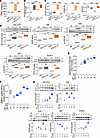 Figure 4
IL-10 promotes hepatic glucose content in HFD-fed mice and normal human hepatocytes. HFD-fed mice (A–D). (A) FBG levels at time of euthanasia. (B) Quantification of hepatic glucose content, expressed as relative fold-changes compared with the control. (C) Fasting serum insulin levels, HOMA-IR, and QUICKI in each group. QUICKI is calculated from fasting glucose (G0) and insulin (I0) as QUICKI = 1/[log(I0) + log(G0)]. (D) Immunoblot analysis of GLUT2, GK, GS, GP, and PCK1. Protein band intensities are normalized to β-actin and expressed as ratios. Box-and-whisker plots show the median, IQR, and full data range. One-way ANOVA followed by Tukey’s multiple-comparison test; n = 4, *P < 0.05, **P < 0.01, ***P < 0.001. Normal human hepatocytes (NHHs) (E–G). (E) Quantitative cellular glucose content in NHHs and relative fold-changes compared with the control. (F) 2-NBDG uptake in NHHs under palmitate ± IL-10. Fluorescence (RFU) is shown relative to control. (G) Immunoblot analysis of GLUT2, GK, GS, GP, and PCK1 in NHHs. β-Actin loading control for GK was obtained from the same gel with GLUT2. Box-and-whisker plots show the median, IQR, and full data range. One-way ANOVA followed by Tukey’s multiple-comparison test; n = 3, *P < 0.05 versus non-PA and IL-10 (0 ng/mL) (control); #P < 0.05 versus PA and IL-10 0 ng/mL. GLUT2, glucose transporter 2; GK, glucokinase; GP, glycogen phosphorylase; GS, glycogen synthase; HFD, high-fat diet; HOMA-IR, homeostatic model assessment for IR; IR, insulin resistance; ND, normal diet; PA, palmitic acid; PCK1, phosphoenolpyruvate carboxykinase 1.
HFD increased GLUT2 and GK and elevated basal p-GS/GS and p-GP/GP ratios, consistent with impaired insulin signaling that sustains GS phosphorylation and preserved glycogenolytic drive (24). Among HFD-fed mice, IL-10 increased GLUT2 and GK and restored PCK1, while further increasing basal p-GS/GS and p-GP/GP ratios (Figure 4D). To assess the hepatic glucose accumulation of IL-10 in hepatocellular lipotoxicity, we evaluated glucose content in NHHs. IL-10 further enhanced glucose accumulation after PA exposure compared with controls (Figure 4E). A 2-NBDG uptake assay showed that IL-10 restored hepatocellular glucose uptake that had been reduced under PA-induced lipotoxicity (Figure 4F). In PA-treated NHHs, IL-10 increased GLUT2/GK/GS (and related proteins) but decreased the basal p-GP/GP ratio (Figure 4G), suggesting an acute shift toward glycogen preservation under lipotoxic stress.
Furthermore, short-term IL-10 reduced serum FBG levels (Supplemental Figure 7A) and reduced HFD-induced IR compared with controls (Supplemental Figure 7B). However, unlike long-term treatment, it did not increase hepatic glucose content or alter GK and basal p-GS/GS and p-GP/GP ratios in HFD-fed mice (Supplemental Figure 7, C and D). These findings suggest that IL-10 improves systemic glycemia/IR in the short term, whereas prolonged IL-10 treatment is associated with measurable remodeling of hepatic glucose handling.
IL-10 regulates hepatic oxidative stress. We next evaluated OS and antioxidant responses after IL-10 treatment. In the long-term, the degree of ROS in liver tissues was visually and quantitatively evaluated, revealing that IL-10 reduced hepatic ROS induced by the HFD compared with controls (Figure 5A). Consistent with DCFDA-based ROS reduction, dihydroethidium (DHE) staining revealed that IL-10 suppressed nuclear superoxide accumulation in hepatocytes of HFD-fed mice (Figure 5B). To substantiate enhanced antioxidant defense beyond protein abundance, we directly measured hepatic superoxide dismutase (SOD) and catalase (CAT) activities (Figure 5C), which were not markedly changed by HFD alone but were increased by IL-10 in HFD-fed mice. We examined the protein expression of antioxidant enzymes: SOD1, SOD2, CAT, and glutathione peroxidase 1 (GPX1) (7), and only SOD2 levels were increased in HFD-fed mice compared with controls (Figure 5D). IL-10 further increased SOD2, CAT, and GPX1 levels in HFD-fed mice, whereas SOD1 was not markedly altered, suggesting preferential engagement of mitochondrial antioxidant defenses under chronic diet-induced lipotoxic stress. To evaluate hepatocellular OS under lipotoxic conditions, we quantified ROS levels in NHHs, finding that IL-10 reduced PA-induced ROS accumulation compared with controls (Figure 5E). Similar results were visually and quantitatively observed in HepG2 cells (Supplemental Figure 8, A and B). Regarding the effect of IL-10 on antioxidant enzymes, their expression was increased by PA exposure compared with controls. IL-10 further upregulated SOD1 and GPX1, and CAT expression increased in treatment with some concentrations, whereas SOD2 was not significantly changed (Figure 5F), indicating a context-dependent antioxidant program in isolated hepatocytes.
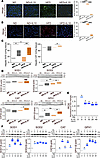 Figure 5
IL-10 suppresses hepatic oxidative stress in HFD-fed mice and normal human hepatocytes. HFD-fed mice (A–D). (A) Mean fluorescence intensity (MFI) of the merged channel, a pseudo-colored overlay of images from the GFP (green, DCFDA) and DAPI (blue) channels, showing liver tissues from 4 experimental groups. ROS localization is shown with green fluorescence. Scale bar: 50 μm. Quantitative hepatic ROS levels and the ROS-positive area (percentage) in each view. The analysis was performed 4 times per group using different views. (B) MFI of the merged channel from the RFP (red, DHE) and DAPI (blue) channels, showing liver tissues from 4 experimental groups. Nuclear ROS localization is shown with red fluorescence. Scale bar: 50 μm. Quantitative evaluation of ROS is as described above. (C) Hepatic total SOD and catalase activities measured in liver homogenates (normalized to tissue/protein as indicated). Data are expressed as U/mg tissue. (D) Immunoblot analysis of SOD1, SOD2, CAT, and GPX. Protein band intensities are normalized to β-actin and expressed as ratios. Box-and-whisker plots show the median, IQR, and full data range. One-way ANOVA followed by Tukey’s multiple-comparison test; n = 4, *P < 0.05, **P < 0.01, ***P < 0.001. Normal human hepatocytes (NHHs) (E and F). (E) Quantitative intracellular ROS accumulation in NHHs and relative fold-changes compared with the control. (F) Immunoblot analysis of SOD1, SOD2, CAT, and GPX1 in NHHs. β-Actin loading controls for SOD2, CAT, and GPX1 were obtained from the same gel with SOD1. Box-and-whisker plots show the median, IQR, and full data range. One-way ANOVA followed by Tukey’s multiple-comparison test; n = 3, *P < 0.05 versus non-PA and IL-10 (0 ng/mL) (control); #P < 0.05 versus PA and IL-10 (0 ng/mL). CAT, catalase; GPX, glutathione peroxidase; HFD, high-fat diet; ND, normal diet; SOD, superoxide dismutase.
Furthermore, short-term IL-10 treatment similarly reduced hepatic ROS induced by the HFD compared with controls (Supplemental Figure 8, C and D). Hepatic SOD activity was increased by short-term IL-10 treatment (Supplemental Figure 8E), whereas CAT activity showed smaller or nonsignificant changes. Regarding antioxidant activity, in HFD-fed mice, only SOD2 levels were increased with short-term IL-10 treatment (Supplemental Figure 8F). Overall, IL-10 reduced hepatic OS in long- and short-time regimens, with broader antioxidant upregulation observed after prolonged treatment.
IL-10 attenuates hepatic apoptosis. We next assessed apoptotic markers after IL-10 treatment. In the long-term, cleaved caspase-3 expression in liver tissues was visually and quantitatively evaluated, revealing that IL-10 reduced hepatic cleaved caspase-3 expression induced by the HFD compared with controls (Figure 6A). Consistent with cleaved caspase-3 staining, TUNEL staining revealed that IL-10 suppressed late-stage apoptosis via reduced nuclear DNA fragmentation in HFD-fed mice (Figure 6B). We examined the protein expression of the following apoptotic regulators: Bcl-2 antagonist or killer (BAK), Bcl-2-associated X protein (BAX), and caspase 8 (25, 26). BAK and BAX levels were increased with the HFD compared with controls, but in HFD-fed mice, IL-10 reduced BAK levels and the cleaved caspase-8/caspase-8 (full-length) ratio (Figure 6C). In in vitro NHHs, IL-10 reduced PA-induced caspase-3/7 activity compared with controls (Figure 6D), with similar results observed visually and quantitatively in HepG2 cells (Supplemental Figure 9, A and B). Regarding the effect of IL-10 on hepatocellular apoptosis activation, BAK levels and the cleaved caspase-8/caspase-8 ratio increased after PA exposure compared with controls. However, under PA exposure, IL-10 selectively reduced the cleaved caspase-8/caspase-8 ratio (Figure 6E).
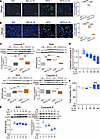 Figure 6
IL-10 suppresses hepatic apoptosis in HFD-fed mice and normal human hepatocytes. (A–C) HFD-fed mice. (A) MFI of the merged channel, a pseudo-colored overlay of images from the GFP (green, cleaved caspase-3) and DAPI (blue) channels, showing liver tissues from 4 experimental groups. Caspase-3 localization is shown with green fluorescence. Scale bar: 50 μm. Quantitative hepatic caspase-3/7 activity and the caspase-3/7–positive area (percentage) in each view. The analysis was performed 4 times per group using different views. (B) MFI of the merged channel from the GFP (green, TUNEL) and DAPI (blue) channels, showing liver tissues from 4 experimental groups. Nuclear DNA fragmentation as a marker of late-stage apoptosis is shown with green fluorescence. Scale bar: 50 μm. Quantitative evaluation of apoptosis is as described above. (C) Immunoblot analysis of BAK and BAX expression, along with the cleaved caspase-8/caspase-8 ratio. β-Actin loading control for BAK was obtained from the same gel with CPT1. Protein band intensities are normalized to β-actin and expressed as ratios. Box-and-whisker plots show the median, IQR, and full data range. One-way ANOVA followed by Tukey’s multiple-comparison test; n = 4, *P < 0.05, **P < 0.01, ***P < 0.001. Normal human hepatocytes (NHHs) (D–F). (D) Quantitative intracellular caspase-3/7 activity in NHHs and relative fold-changes compared with the control. (E) Immunoblot analysis of BAK and cleaved caspase-8/caspase-8 ratio. (F) Quantitative cell viability and relative fold-changes compared with the control (100%). Box-and-whisker plots show the median, IQR, and full data range. One-way ANOVA followed by Tukey’s multiple-comparison test; n = 3, *P < 0.05 versus non-PA and IL-10 (0 ng/mL) (control); #P < 0.05 versus PA and IL-10 (0 ng/mL). BAK, Bcl-2 antagonist or killer; BAX, Bcl-2-associated X protein; HFD, high-fat diet; ND, normal diet.
Cell viability showed no significant changes under PA exposure and IL-10 treatment (Figure 6F). This finding was validated in HepG2 cells, where, interestingly, IL-10 increased cell viability reduced by PA exposure, unlike in NHHs (Supplemental Figure 9C).
Furthermore, short-term IL-10 treatment similarly reduced hepatic caspase-3 expression and TUNEL induced by the HFD compared with controls (Supplemental Figure 9, D and E). Regarding apoptosis-activating expression, the results mirrored those of long-term IL-10 treatment (Supplemental Figure 9F). These findings suggest that IL-10 reduced apoptotic markers under both short- and long-term treatment conditions, with sustained reductions observed after prolonged treatment.
IL-10–associated signaling preserves hepatocellular viability and stress-responsive survival pathways. To investigate signaling associated with IL-10–mediated cytoprotection under lipotoxic stress, we examined protein expression levels of AKT/mTOR/STAT 3 pathway activation in liver tissues of HFD-fed mice and in PA-exposed HepG2 cells treated with IL-10. PA exposure reduced basal p-STAT3/STAT3, p-AKT/AKT, and p-mTOR/mTOR ratios relative to control conditions, whereas IL-10 increased these ratios under PA exposure (Figure 7, A and B), consistent with restoration of stress-responsive survival signaling. Under ND conditions, IL-10 did not increase p-AKT/AKT or p-mTOR/mTOR ratios and was associated with a reduction in basal pSTAT3/STAT3. To support the interpretation of autophagy modulation, we assessed autophagy markers in liver tissue. Consistent with altered mTOR-associated signaling, the HFD increased the LC3-II/I ratio and reduced p62 expression, whereas IL-10 partially reversed these autophagy-related changes, again with no significant differences between the ND and ND+IL-10 groups (Supplemental Figure 10). To probe pathway dependencies, we used specific antagonists: IL-10R, a function-blocking antibody targeting IL-10RA; STAT3, cryptotanshinone; AKT, LY294002; and mTOR, rapamycin. Under PA exposure and IL-10 treatment, IL-10RA reduced p-STAT3/STAT3, p-AKT/AKT, and p-mTOR/mTOR ratios (Figure 7C). Cryptotanshinone reduced p-AKT/AKT and p-mTOR/mTOR ratios (Figure 7D). LY294002 decreased p-mTOR/mTOR but not p-AKT/AKT (Figure 7E). Rapamycin did not alter p-STAT3/STAT3 or p-AKT/AKT ratios (Figure 7F). These inhibitor profiles were consistent with STAT3 activation upstream of AKT and mTOR.
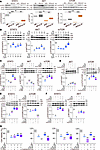 Figure 7
IL-10 preserves hepatocellular viability/metabolic activity and restores stress-responsive STAT3/AKT/mTOR signaling. Phosphorylation ratios are shown under basal conditions in the lipotoxicity model (PA exposure) and interpreted as stress-responsive survival signaling; insulin stimulation was not performed. (A) In vivo hepatic STAT3/AKT/mTOR signaling. Immunoblot analysis of p-STAT3/STAT3, p-AKT/AKT, and p-mTOR/mTOR in liver tissues from ND, ND+IL-10, HFD, and HFD+IL-10 groups. Protein band intensities are quantified and expressed as phosphorylation ratios. β-Actin loading controls for AKT and mTOR were obtained from the same gel with STAT3. (B) Cells were incubated with PA at increasing concentrations or with DMEM alone (control) for 24 hours. Immunoblot analysis of p-STAT3/STAT3, p-AKT/AKT, and p-mTOR/mTOR. Protein band intensities are normalized to β-actin and expressed as ratios. Box-and-whisker plots show the median, IQR, and full data range. One-way ANOVA followed by Tukey’s multiple-comparison test; n = 3, *P < 0.05 versus non-PA and IL-10 (0 ng/mL) (control); #P < 0.05 versus PA and IL-10 (0 ng/mL). Cells were then incubated with PA exposure in the presence of IL-10 (0 and 20 ng/mL) and/or (C) IL-10Rα, (D) cryptotanshinone, (E) LY294002, (F) rapamycin, or DMEM (control) for 24 hours. (B–E) For each inhibitor, immunoblot analysis was conducted to evaluate protein expression changes in p-STAT3/STAT3, p-AKT/AKT, and p-mTOR/mTOR ratios, except for the specific pathway targeted by each inhibitor. (G) Quantitative cell viability. For each inhibitor, relative fold-changes compared with the control (100%) were examined. Box-and-whisker plots show the median, IQR, and full data range. One-way ANOVA followed by Tukey’s multiple-comparison test; n = 3, *P < 0.05 versus non-PA and IL-10 (0 ng/mL) (control); #P < 0.05 versus PA and IL-10 (0 ng/mL); †P < 0.05 versus PA and IL-10 (20 ng/mL). HFD, high-fat diet; ND, normal diet; PA, palmitic acid.
For cell viability, under PA exposure and IL-10 treatment, the relative fold-change decreased with cryptotanshinone, LY294002, and rapamycin but remained unchanged with IL-10RA (Figure 7G). These results suggest that IL-10 activates IL-10R–dependent STAT3/AKT/mTOR signaling under lipotoxic stress and that cell viability–related outcomes depend on STAT3/AKT/mTOR activity, while the impact of IL-10Rα blockade on cell viability was not detectable under the current experimental conditions.


