
Research ArticleCardiologyDevelopment
Open Access |  10.1172/jci.insight.199072
Cardiac conduction system malformations in heterotaxy result from dysregulated Pitx2 expression
Kunihiko Joo,1,2 Ryohei Matsuoka,1,3 Keiko Kitajima,1 Kenta Yashiro,4 Akira Shiose,2 Ryuji Tominaga,2 Michael M. Shen,5 Shinya Oki,1 and Chikara Meno1
1Department of Developmental Biology,
2Department of Cardiovascular Surgery, and
3Department of Pediatrics, Graduate School of Medical Sciences, Kyushu University, Fukuoka, Japan.
4Department of Anatomy, Kyoto Prefectural University of Medicine, Kyoto, Japan.
5Department of Medicine, Columbia University Irving Medical Center, New York, New York, USA.
Address correspondence to: Chikara Meno, Department of Developmental Biology, Graduate School of Medical Sciences, Kyushu University, 3-1-1 Maidashi, Higashi-ku, Fukuoka-shi, Fukuoka 812-8582, Japan. Phone: 81.92.642.6259; Email: meno.chikara.727@m.kyushu-u.ac.jp. SO’s present address is: Institute of Resource Development and Analysis, Kumamoto University, Kumamoto, Japan.
Authorship note: KJ and RM contributed equally to this work and are co–first authors.
Find articles by Joo, K. in: PubMed | Google Scholar
1Department of Developmental Biology,
2Department of Cardiovascular Surgery, and
3Department of Pediatrics, Graduate School of Medical Sciences, Kyushu University, Fukuoka, Japan.
4Department of Anatomy, Kyoto Prefectural University of Medicine, Kyoto, Japan.
5Department of Medicine, Columbia University Irving Medical Center, New York, New York, USA.
Address correspondence to: Chikara Meno, Department of Developmental Biology, Graduate School of Medical Sciences, Kyushu University, 3-1-1 Maidashi, Higashi-ku, Fukuoka-shi, Fukuoka 812-8582, Japan. Phone: 81.92.642.6259; Email: meno.chikara.727@m.kyushu-u.ac.jp. SO’s present address is: Institute of Resource Development and Analysis, Kumamoto University, Kumamoto, Japan.
Authorship note: KJ and RM contributed equally to this work and are co–first authors.
Find articles by Matsuoka, R. in: PubMed | Google Scholar
1Department of Developmental Biology,
2Department of Cardiovascular Surgery, and
3Department of Pediatrics, Graduate School of Medical Sciences, Kyushu University, Fukuoka, Japan.
4Department of Anatomy, Kyoto Prefectural University of Medicine, Kyoto, Japan.
5Department of Medicine, Columbia University Irving Medical Center, New York, New York, USA.
Address correspondence to: Chikara Meno, Department of Developmental Biology, Graduate School of Medical Sciences, Kyushu University, 3-1-1 Maidashi, Higashi-ku, Fukuoka-shi, Fukuoka 812-8582, Japan. Phone: 81.92.642.6259; Email: meno.chikara.727@m.kyushu-u.ac.jp. SO’s present address is: Institute of Resource Development and Analysis, Kumamoto University, Kumamoto, Japan.
Authorship note: KJ and RM contributed equally to this work and are co–first authors.
Find articles by Kitajima, K. in: PubMed | Google Scholar
1Department of Developmental Biology,
2Department of Cardiovascular Surgery, and
3Department of Pediatrics, Graduate School of Medical Sciences, Kyushu University, Fukuoka, Japan.
4Department of Anatomy, Kyoto Prefectural University of Medicine, Kyoto, Japan.
5Department of Medicine, Columbia University Irving Medical Center, New York, New York, USA.
Address correspondence to: Chikara Meno, Department of Developmental Biology, Graduate School of Medical Sciences, Kyushu University, 3-1-1 Maidashi, Higashi-ku, Fukuoka-shi, Fukuoka 812-8582, Japan. Phone: 81.92.642.6259; Email: meno.chikara.727@m.kyushu-u.ac.jp. SO’s present address is: Institute of Resource Development and Analysis, Kumamoto University, Kumamoto, Japan.
Authorship note: KJ and RM contributed equally to this work and are co–first authors.
Find articles by Yashiro, K. in: PubMed | Google Scholar
1Department of Developmental Biology,
2Department of Cardiovascular Surgery, and
3Department of Pediatrics, Graduate School of Medical Sciences, Kyushu University, Fukuoka, Japan.
4Department of Anatomy, Kyoto Prefectural University of Medicine, Kyoto, Japan.
5Department of Medicine, Columbia University Irving Medical Center, New York, New York, USA.
Address correspondence to: Chikara Meno, Department of Developmental Biology, Graduate School of Medical Sciences, Kyushu University, 3-1-1 Maidashi, Higashi-ku, Fukuoka-shi, Fukuoka 812-8582, Japan. Phone: 81.92.642.6259; Email: meno.chikara.727@m.kyushu-u.ac.jp. SO’s present address is: Institute of Resource Development and Analysis, Kumamoto University, Kumamoto, Japan.
Authorship note: KJ and RM contributed equally to this work and are co–first authors.
Find articles by Shiose, A. in: PubMed | Google Scholar
1Department of Developmental Biology,
2Department of Cardiovascular Surgery, and
3Department of Pediatrics, Graduate School of Medical Sciences, Kyushu University, Fukuoka, Japan.
4Department of Anatomy, Kyoto Prefectural University of Medicine, Kyoto, Japan.
5Department of Medicine, Columbia University Irving Medical Center, New York, New York, USA.
Address correspondence to: Chikara Meno, Department of Developmental Biology, Graduate School of Medical Sciences, Kyushu University, 3-1-1 Maidashi, Higashi-ku, Fukuoka-shi, Fukuoka 812-8582, Japan. Phone: 81.92.642.6259; Email: meno.chikara.727@m.kyushu-u.ac.jp. SO’s present address is: Institute of Resource Development and Analysis, Kumamoto University, Kumamoto, Japan.
Authorship note: KJ and RM contributed equally to this work and are co–first authors.
Find articles by Tominaga, R. in: PubMed | Google Scholar
1Department of Developmental Biology,
2Department of Cardiovascular Surgery, and
3Department of Pediatrics, Graduate School of Medical Sciences, Kyushu University, Fukuoka, Japan.
4Department of Anatomy, Kyoto Prefectural University of Medicine, Kyoto, Japan.
5Department of Medicine, Columbia University Irving Medical Center, New York, New York, USA.
Address correspondence to: Chikara Meno, Department of Developmental Biology, Graduate School of Medical Sciences, Kyushu University, 3-1-1 Maidashi, Higashi-ku, Fukuoka-shi, Fukuoka 812-8582, Japan. Phone: 81.92.642.6259; Email: meno.chikara.727@m.kyushu-u.ac.jp. SO’s present address is: Institute of Resource Development and Analysis, Kumamoto University, Kumamoto, Japan.
Authorship note: KJ and RM contributed equally to this work and are co–first authors.
Find articles by Shen, M. in: PubMed | Google Scholar
1Department of Developmental Biology,
2Department of Cardiovascular Surgery, and
3Department of Pediatrics, Graduate School of Medical Sciences, Kyushu University, Fukuoka, Japan.
4Department of Anatomy, Kyoto Prefectural University of Medicine, Kyoto, Japan.
5Department of Medicine, Columbia University Irving Medical Center, New York, New York, USA.
Address correspondence to: Chikara Meno, Department of Developmental Biology, Graduate School of Medical Sciences, Kyushu University, 3-1-1 Maidashi, Higashi-ku, Fukuoka-shi, Fukuoka 812-8582, Japan. Phone: 81.92.642.6259; Email: meno.chikara.727@m.kyushu-u.ac.jp. SO’s present address is: Institute of Resource Development and Analysis, Kumamoto University, Kumamoto, Japan.
Authorship note: KJ and RM contributed equally to this work and are co–first authors.
Find articles by Oki, S. in: PubMed | Google Scholar
1Department of Developmental Biology,
2Department of Cardiovascular Surgery, and
3Department of Pediatrics, Graduate School of Medical Sciences, Kyushu University, Fukuoka, Japan.
4Department of Anatomy, Kyoto Prefectural University of Medicine, Kyoto, Japan.
5Department of Medicine, Columbia University Irving Medical Center, New York, New York, USA.
Address correspondence to: Chikara Meno, Department of Developmental Biology, Graduate School of Medical Sciences, Kyushu University, 3-1-1 Maidashi, Higashi-ku, Fukuoka-shi, Fukuoka 812-8582, Japan. Phone: 81.92.642.6259; Email: meno.chikara.727@m.kyushu-u.ac.jp. SO’s present address is: Institute of Resource Development and Analysis, Kumamoto University, Kumamoto, Japan.
Authorship note: KJ and RM contributed equally to this work and are co–first authors.
Find articles by Meno, C. in: PubMed | Google Scholar
Published February 24, 2026 - More info
JCI Insight. 2026;11(6):e199072. https://doi.org/10.1172/jci.insight.199072.
© 2026 Joo et al. This work is licensed under the Creative Commons Attribution 4.0 International License. To view a copy of this license, visit http://creativecommons.org/licenses/by/4.0/.
Received: August 13, 2025; Accepted: January 28, 2026


-
Results
Disposition of CCS in Cryptic–/– embryos at E18.5. To investigate CCS disposition in mouse heterotaxy, we first examined the hearts of Cryptic–/– embryos at E18.5, which develop right isomerism (32, 33). Although cardiac looping is reported to be randomized in Cryptic–/– mice (32), embryos carrying the same mutation on an FVB/N background showed a d-loop (n = 7/7 at E18.5; n = 8/8 at E14.5; n = 6/6 at E12.5), indicating that the looping phenotype depends on the genetic background. Characteristic congenital heart diseases (CHDs) included common atrium (n = 7/7), atrioventricular septal defect (AVSD) (n = 7/7), transposition of the great arteries (TGA) (n = 5/7), double outlet right ventricle (DORV) (n = 2/7), and total anomalous pulmonary venous connection (TAPVC) (n = 7/7) — features typically observed in human right atrial isomerism (34) (see Supplemental Table 1 for full description of mutant hearts; supplemental material available online with this article; https://doi.org/10.1172/jci.insight.199072DS1).
Specialized cardiomyocytes were detected using in situ hybridization of Hcn4, followed by 3D reconstruction of the CCS (WT, n = 6; Cryptic–/–, n = 4) (Figure 1, A–L). In Cryptic–/– embryos, bilateral SA nodes were present, albeit with smaller sizes compared with that in the WT embryos (n = 4/4) (Figure 1, B and H). Although the AV node was normally connected to the AV bundle, its position had shifted caudally (Figure 1, A and F). Left and right bundle branches were identified as continuations of the AV bundle, retaining their characteristic morphologies (Supplemental Figure 1). Notably, a distinct, intensively Hcn4-expressing nodule was detected in the ventricle, continuous with the AV ring at the cranioventral position (n = 4/4) (Figure 1, H and L). Immunostaining confirmed the presence of Hcn4 protein in the SA nodes and cranioventral nodule of the Cryptic–/– heart, consistent with the in situ hybridization results (Supplemental Figure 2). In humans, right atrial isomerism is accompanied by bilateral SA nodes and dual AV nodes that often connect with the AV bundles to form the sling (34, 35, 37). To confirm the identity of the Hcn4+ nodule as an anterior AV node, we examined additional markers — Tbx3 and Myl7 for the AV node (12, 38) and Tbx3 and Gja5 for the AV bundle (12, 41) — in 3 Cryptic–/– hearts. The nodule was Tbx3+/Myl7+ (n = 3/3) (Figure 1, M and N, with the control shown in Supplemental Figure 3), supporting its identification as an AV node. In addition, the sling was observed in one heart in which continuous expression of Tbx3 in both the anterior AV node and the anterior AV bundle (Gja5+) was detected (n = 1/3) (Figure 1, O and P). These results indicate that the left-right axis shapes the disposition of the AV conduction system.
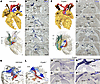 Figure 1
Abnormal cardiac conduction system in the hearts of Cryptic–/– embryos at E18.5. (A–J) Representative images of 3D-reconstructed hearts (A and F) and their original images of in situ hybridization with Hcn4 probes (B–E and G–J) in WT (A–E) (n = 6) and Cryptic–/– (F–J) embryos (n = 4) at E18.5. Upper panels in A and F are ventral views showing the lumen of heart chambers and great vessels, whereas lower panels are right ventral views showing Hcn4 expression in pseudocolors (SA node head, dark green; SA node tail, pale green; venous valves and sinus horn, yellow; AV ring, light blue; AV node and cranioventral nodule, blue; AV bundle and septal branch, red; bundle branches, orange). The levels for each transverse section are shown in the lower panels. (K and L) Right craniodorsal views of the base showing Hcn4 expression in the WT (K) and Cryptic–/– (L) hearts presented in A and F, respectively. (M–P) Expression of Tbx3 (M and O), Myl7 (N), and Gja5 (P) was detected in adjacent transverse sections of a Cryptic–/– heart (different from F), corresponding to the level shown in H. Scale bars: 200 μm. aAVB, (anterior) atrioventricular bundle; aAVN, (anterior) atrioventricular node; Ao, aorta; AVR, atrioventricular ring; cvN, cranioventral nodule; DMP, dorsal mesenchymal protrusion–derived tissue; LA, left atrium; (L/R)BB, (left/right) bundle branch; (L/R)SCV, (left/right) superior caval vein; LSH, left sinus horn; LV, left ventricle; (M)RA, (morphologically) right atrium; PA, pulmonary artery; PV, pulmonary vein; RV, right ventricle; SAN, sinoatrial node; VS, ventricular septum; VV, venous valve.
CCS development in Cryptic–/– embryos. To elucidate the process of abnormal CCS formation in Cryptic–/– embryos, we examined Hcn4 expression at E12.5–E14.5. In the WT atrium at these stages, Hcn4 was continuously expressed in the SA node, venous valves, and dorsal mesenchymal protrusion–derived tissue (42, 43) (Figure 2, A–E, and Supplemental Figure 4, A and B). AV canal–derived tissues, including the AV node, AV rings, and forming AV valves, also expressed Hcn4 (3, 5, 17) (Figure 2, A, D, and E, and Supplemental Figure 4, B and C). Additionally, Hcn4 expression was evident in the caudal IV ring/AV bundle at E12.5 and E14.5 (17) (Figure 2, A, C, and D, and Supplemental Figure 4B). The septal branch derived from the cranial IV ring was faintly and discontinuously detected with the Hcn4 probe at E14.5, but was undetectable at E12.5, whereas an Hcn4-positive cell population was observed in the subaortic portion at E14.5, possibly representing part of the septal branch near the AV ring (Figure 2, A–C, and Supplemental Figure 4A).
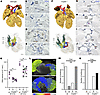 Figure 2
Abnormal cardiac conduction system development in the hearts of Cryptic–/– embryos at E12.5–E14.5. (A–J) Representative images of 3D-reconstructed hearts (A and F) and their original images of in situ hybridization with Hcn4 probes (B–E and G–J) in WT (A–E) (n = 8) and Cryptic–/– (F–J) embryos (n = 8) at E14.5, as presented in Figure 1, A–E. The asterisks in F and H show Hcn4 expression in the superior cushion. Scale bars: 200 μm. (K) SA node head volumes of WT and Cryptic–/– embryos at E12.5 (n = 6–7; biological replicates) and E14.5 (n = 4–7; biological replicates). The left and right values of the same embryo are connected. The magenta bars represent mean ± SD. *P < 0.01 (1-way ANOVA followed by Dunnett’s multiple-comparison test). (L) Representative images of voltage mapping with Di-4-ANEPPS in WT (n = 8) and Cryptic–/– hearts (n = 9) at E12.5 (dorsal views). The dotted circles and rectangles indicate the sites where action potential first appeared, around the head and tail of the SA node, respectively. A single heartbeat is shown. (M and N) First breakthrough site of the action potential around the SA node head (M) and atrial side where the action potential first propagated (N). Quantification is based on the final heartbeat from each heart (n = 8–9; biological replicates). Abbreviations are the same as in Figure 1, except for L, left; M, middle; R, right; SB, septal branch.
In Cryptic–/– embryos, the SA nodes were bilaterally developed (n = 8/8 at E14.5; n = 6/6 at E12.5), from which the contiguous expression of Hcn4 extended to the venous valves on the left and right sides (Figure 2, F–J, and Supplemental Figure 4, D and E). Dorsal mesenchymal protrusion formation was markedly impaired (Figure 2I and Supplemental Figure 4E), probably accounting for the development of AVSD (44). Although Hcn4-positive AV rings were detected at E14.5, their cranioventral portions were dorsally bent (Figure 2, F and H). In the superior AV cushion-derived tissue, a distinct Hcn4-positive domain formed a fermata-like mark with the bent AV rings in the transverse sections (n = 7/8) (Figure 2H, asterisk) that continued caudally and tapered into the cushion. The prominent Hcn4-expressing nodule was detected as a protrusion of the cranioventral AV ring at E14.5 (n = 8/8) (Figure 2G). In one heart at E14.5, the cranioventral nodule was apparently continuous with the Hcn4-positive bundle (Supplemental Figure 4F), whereas in others, discontinuous Hcn4 expression in the septal branch was detected (n = 7/8), indicating that a part of Cryptic–/– embryos developed the anterior AV bundle instead of the septal branch.
To evaluate the development and function of the SA node, we first measured the SA node volume using 3D reconstruction of the Hcn4 in situ hybridization sections. The volumes were similar on both sides in Cryptic–/– embryos at E12.5 and E14.5, and were significantly smaller than those in WT embryos (Figure 2K). Cardiac voltage mapping of isolated hearts at E12.5 detected the appearance of action potentials around the SA node, in which simultaneous firing around the head and tail of the SA node (13) was observed in WT (16/36 beats in 8 hearts) and Cryptic–/– (19/37 beats in 9 hearts) hearts (Figure 2L). The first breakthrough site in the craniodorsal portion of the atria was located on the right (n = 7/8) or middle (n = 1/8) of WT hearts, whereas the middle site was significantly more frequent in Cryptic–/– hearts (right: n = 2/9; middle: n = 7/9; P = 0.0152, Fisher’s exact test) (Figure 2M). In addition, while the right atrium propagated action potential earlier than the left atrium in WT hearts (n = 8/8), the first propagated side of the atrium was either the right (n = 4/9) or left (n = 5/9) in Cryptic–/– hearts (P = 0.0294, Fisher’s exact test) (Figure 2N). These changes in the pacemaker position and action potential propagation likely result from bilaterally formed SA nodes, as has been reported for Pitx2 mutant embryos (24, 40). We also recorded successive atrial and ventricular action potential traces in Cryptic–/– hearts at E12.5 by voltage mapping but did not observe any obvious abnormalities compared with WT hearts (Supplemental Figure 5).
Relationship between Pitx2 expression domains and CCS. Because Cryptic is necessary for inducing Pitx2c expression in the left LPM (32, 33), the loss of Pitx2c expression in the heart likely underlies the abnormal CCS in Cryptic–/– embryos. To understand the relationship between CCS-related genes and Pitx2, we compared their expression domains in adjacent sections of WT and Cryptic–/– hearts at E14.5. In WT embryos, Shox2, Tbx3, and Hcn4 colocalized in the SA node and venous valves, which lack Pitx2 expression (Supplemental Figure 6) (3, 12, 19, 20). In Cryptic–/– embryos, Pitx2 expression in the left atrium, left superior caval vein, and pulmonary veins was lost, as expected (Figure 3, A, C, and I–K, and Supplemental Figure 6), whereas Tbx3 and Shox2 were bilaterally expressed in the SA nodes, similar to Hcn4 (Supplemental Figure 6). Notably, Shox2 expression in the pulmonary veins (20) was downregulated, probably because of the absence of a myocardial sleeve, as indicated by the lack of Myl7 expression accompanied by the loss of Pitx2 expression (Supplemental Figure 6) (45).
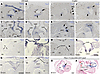 Figure 3
Pitx2 expression domains in the cardiac conduction system and its cell lineages. (A–N) Transverse sections of hearts from WT (A–H) and Cryptic–/– (I–N) embryos stained by in situ hybridization at E14.5 (A–F and I–M), E12.5 (G and H), and E18.5 (N) for Pitx2 (A, C, E, G–I, K, and M), Tbx3 (B, D, J, L, and N), and Myl7 (F). The arrows indicate Pitx2 or Tbx3 expression in the septal branch (A, B, I, and J) and in the cranioventral side of the AV rings (K). The asterisks in C, D, K, and L indicate the AV bundle, whereas those in E and F denote the AV node. The arrowheads indicate loss of Pitx2 expression in the atrium (I) and left AV ring (M). The dashed rectangle in G indicates Pitx2+ superior AV canal myocardium, including AV rings. The arrows in I and K show residual expression of Pitx2 in the septal branch and AV rings, respectively. (O and P) X-gal staining of a Pitx2 17-Cre CAG-CAT-LacZ heart at E12.0. Coronal sections are shown. The arrow indicates the septal branch. Scale bars: 200 μm. The scale bars in A, G, and O apply to A–F and I–M, G and H, and O and P, respectively. Abbreviations are the same as in Figure 1, except for AS, atrial septum; CAVV, common atrioventricular valve; (i/s)AVC, (inferior/superior) atrioventricular cushion; L, left; MV, mitral valve; R, right; TV, tricuspid valve.
Pitx2 is expressed in the superior/left lateral AV canal and septal branch (25, 27, 29, 46). Concordantly, Pitx2 expression in WT hearts at E14.5 was apparent in the left AV ring and septal branch (Figure 3, A and C), which are the regions where Tbx3 and Hcn4 expression was later downregulated (Figure 2, A–D, and Figure 3, B and D) (8, 12). In contrast, Pitx2 expression was not detected in the AV node and AV bundle (Figure 3, C and E, and Figure 3, D and F, using Tbx3 and Myl7 as CCS markers). At E12.5, the cranioventral portion of the AV rings and cardiomyocytes in the superior AV cushion were Pitx2-positive (Figure 3, G and H), which corresponded to the regions with upregulated Hcn4 expression in Cryptic–/– embryos (Figure 2, F–H). Unexpectedly, in Cryptic–/– embryos, Pitx2 expression was detected in the septal branch at a reduced level (Figure 3, I and J, using Tbx3 as a CCS marker). Pitx2 expression was nearly absent in the left AV ring (Figure 3M), whereas it was sporadically detected in the cranioventral portion of the AV rings (Figure 3K). Consistent with the diminished expression of Pitx2 at E14.5, extensive Tbx3 expression was observed in the anterior AV node and left AV ring of Cryptic–/– embryos (Figure 1M and Figure 3, L and N) (23). Because the superior and left-lateral AV canal is derived from the left second heart field (27, 29, 47), we traced the descendants of Pitx2-expressing cells in the left LPM using the Pitx2 17-Cre transgene, whose enhancer activity depends on Pitx2 ASE regulated by the Nodal signal in the left LPM (29). Embryos from crosses with CAG-CAT-LacZ mice showed X-gal staining in the septal branch and superior AV canal, indicating that both of the regions are derived from the left LPM expressing Pitx2 (Figure 3, O and P).
Pitx2 suppresses CCS formation. The abovementioned results indicated that CCS development is suppressed in regions where Pitx2 is expressed. To confirm this, we analyzed published single-cell RNA-Seq (scRNA-Seq) data from control and Pitx2–/– hearts at E13.5 (48). The uniform manifold approximation and projection (UMAP) analysis identified clusters consistent with those previously published (Supplemental Figure 7, A and B) (48). To enrich putative CCS cells, Tbx3-positive cardiomyocytes were selected and subclustered (Figure 4A and Supplemental Figure 7, A and C). Because Tbx3-positive cells include non-CCS tissues at this stage, CCS clusters were identified with reference to recent scRNA-Seq analyses of CCS at E16.5 (49, 50). Feature and violin plots of the marker genes revealed an SA node cluster (cluster 4, characterized by Cacna2d2+/Shox2+/Smoc2+/Isl1+) (Figure 4, A and B). Notably, the proportions of this cluster were similar between control and Pitx2–/– hearts, suggesting that SA nodes bilaterally formed in Pitx2–/– hearts may be reduced in size, as observed in the Cryptic mutant. Next, we focused on clusters (0, 1, and 5) defined by Cacna2d2+/Kcne1+/Gja1neg (Figure 4, A and B), likely encompassing the compact AV node, nodal AV ring, and AV bundle (49). Subclustering yielded 5 new clusters (A–E) (Figure 4C). The expression profiles of clusters A (Myh6+/Gnao1+/Etv1neg) and E (Myh6hi/Gnao1+/Etv1lo) corresponded to those of the AV ring and compact AV node, respectively (Figure 4D) (49, 50). In Pitx2–/– hearts, the proportion of cluster A decreased (control: 89/9,739 cells vs. Pitx2–/–: 49/8,247 cells), whereas that of cluster E increased (control: 11/9,739 cells vs. Pitx2–/–: 47/8,247 cells), suggesting the presence of dual AV nodes, as observed in Cryptic–/– hearts. Cluster D, characterized by Myh7hi/Irx3+/Etv1+, likely represents the AV bundle/lower nodal cells (Figure 4D) (49). This population was significantly increased in Pitx2–/– hearts (control: 10/9,739 cells vs. Pitx2–/–: 60/8,247 cells), indicative of the development of the anterior AV bundle. Clusters B and C did not correspond to the known CCS components at E16.5 (49), implying that these clusters represent an immature CCS or an abnormally developed population similar to that in the superior AV cushion of Cryptic–/– embryos. Together, these results suggested that AVCS properties were altered in Pitx2–/– embryos.
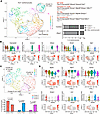 Figure 4
Altered cardiac conduction system population in Pitx2–/– embryos. (A) UMAP visualization of Tbx3-expressing cardiomyocytes at E13.5 (control, 9739 cells; Pitx2–/–, 8247 cells). The graph shows the proportions of CCS-related cells among the cardiomyocytes: cluster 4 (control, 55 cells; Pitx2–/–, 54 cells); clusters 0, 1, and 5 (control, 155 cells; Pitx2–/–, 327 cells); and the remaining clusters (control, 9,529 cells; Pitx2–/–, 7,866 cells). (B) Expression patterns of Cacna2d2, Smoc2, Shox2, Kcne1, and Gja1 visualized by feature and violin plots derived from the UMAP in A. (C) Subclustering analysis of clusters 0, 1, and 5 from A. The graph shows the ratios of subclusters among the cardiomyocytes: cluster A (control, 89 cells; Pitx2–/–, 49 cells); cluster D (control, 10 cells; Pitx2–/–, 60 cells); and cluster E (control, 11 cells; Pitx2–/–, 49 cells). P values were calculated using the Fisher’s exact test. (D) Feature and violin plots showing the expression of Myh6, Myh7, Kcne1, Gnao1, Irx3, and Etv1 based on the UMAP analysis in C. LNC, lower nodal cells.
Suppressed CCS development in Lefty1–/– embryos. The restricted expression of Pitx2 in the heart suggests that appropriate assignment of Pitx2 expression domains by the left-right axis is fundamental for CCS development. To examine the potential effect of altered Pitx2 expression on CCS formation, we analyzed the CCS of Lefty1–/– embryos using Hcn4 ISH. Lefty1–/– mice develop left isomerism by ectopically expressing Pitx2 to varying degrees in the right LPM (26). Among the 7 Lefty1–/– embryos examined at E14.5, 6 exhibited CHD accompanying left atrial isomerism, including AVSD (n = 5/7), DORV (n = 4/7), TGA (n = 1/7), and intracardiac TAPVC (n = 3/7) (Supplemental Table 1). In Lefty1–/– embryos, the SA node was hypoplastic (E14.5: n = 6/7; E12.5: n = 11/18) (Figure 5, A–D), consistent with the characteristics of left isomerism in humans (34, 36, 37). The volumetry at E12.5 showed that the average SA node volume in Lefty1–/– embryos was significantly reduced in comparison with that in control embryos (Lefty1–/– with CHD: 1.87 ± 0.74 × 10⁻³ mm3 or Lefty1–/– without CHD: 2.50 ± 0.33 × 10⁻³ mm3 vs. control: 3.67 ± 0.22 × 10⁻³ mm3) (Figure 5F). The volumes in Lefty1–/– hearts with CHD varied, likely reflecting the degree of ectopic Pitx2 expression (Figure 5N). Consistent with the hypoplastic SA node, the abnormal propagation of action potential in the atrium was noted in Lefty1–/– embryos at E12.5. Although the difference of first breakthrough site was not significant between control and Lefty1–/– embryos (control: right, n = 11/14; middle, n = 3/14 vs. Lefty1–/–: right, n = 5/9; middle or left, n = 4/9); P = 0.363 from Fisher’s exact test), the ratio that the left-sided atrium first propagated the action potential significantly increased in Lefty1–/– embryos (control: right, n = 14/14 vs. Lefty1–/–: right, n = 6/9; left, n = 3/9; P = 0.0474 from Fisher’s exact test) (Figure 5G and Supplemental Figure 8).
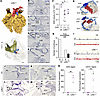 Figure 5
Hypoplastic sinoatrial node and atrioventricular block in Lefty1–/– embryos. (A–E) Representative 3D-reconstructed hearts (A) and corresponding Hcn4 in situ hybridization of a Lefty1–/– embryo (n = 7) (B–E) at E14.5, as in Figure 1, A–E. (F) SA node head volumes in control (Lefty1+/–, Ctl) and Lefty1–/– hearts at E12.5 (n = 4–12; biological replicates). The magenta bars denote mean ± SD. *P < 0.001 (unpaired 2-sided t test with Welch’s correction). (G) Atrial side where the action potential first propagated (n = 9–14). (H) 3D-reconstructed Hcn4 expression in control and Lefty1–/– hearts at E14.5 (different heart from A). The AV conduction systems are viewed from the right craniodorsal side. Asterisks and dotted areas: discontinuous Hcn4 expression at the AV node/AV bundle junction and within the AV bundle, respectively. Arrowhead: continuous expression between the AV bundle and ring. (I) Action potentials in the atrium (Atr) and ventricle (Vnt) of control and Lefty1–/– hearts at E12.5, traced using voltage mapping. (J–M) Transverse sections showing Pitx2 expression in control (J and K) and Lefty1–/– (L and M) hearts. Green bars indicate Pitx2 expression boundary. Arrowheads indicate ectopic Pitx2 expression. Asterisks mark Pitx2 expression in the septal branch. Scale bars: 200 μm; bars in E, J, and K apply to B–D, L, and M, respectively. (N) RT–qPCR of Pitx2c in laser-microdissected heart tissues from control and Lefty1–/– embryos at E12.5, quantified in the SA node region, including the adjacent superior caval vein and right atrial tissue, and in the right caudodorsal AV canal (rcAVC) region. The magenta bars indicate mean ± SD. **P < 0.05 (unpaired 2-sided t test with Welch’s correction). Abbreviations as in Figure 1 except for iAVC, inferior atrioventricular cushion; (L/R)SH, (left/right) sinus horn; MLA, morphologically left atrium.
In control embryos at E14.5 and E12.5, Hcn4 expression in the AV node and bundle/IV ring was continuous (Figure 5H and Supplemental Figure 9). Notably, a discontinuity in Hcn4 expression between the AV node and bundle/IV ring was observed in Lefty1–/– hearts with CHD (n = 2/4 at E14.5; n = 4/9 at E12.5) (Figure 5H and Supplemental Figure 9), which was reminiscent of the dissociation of both components in left isomerism in humans (34, 35). In addition, the staining for Hcn4 was weakened in the AV node of Lefty1–/– embryos at E14.5 (n = 3/4) (Figure 5E). Because discontinuous Hcn4 expression suggests the occurrence of AV block in Lefty1–/– embryos, we analyzed successive action potential in the atrium and ventricle at E12.5 using voltage mapping. Among the 9 Lefty1–/– embryos examined, we detected second-degree (n = 1/9) and third-degree (n = 1/9) AV blocks, whereas such blocks were not observed in control embryos (n = 12/12) (Figure 5I). To correlate the ectopic Pitx2 expression with the CCS of Lefty1–/– embryos, we examined the expression of Pitx2, Hcn4, and Myl7 in adjacent sections at E14.5 (Figure 5, J–M, and Supplemental Figure 10). As expected, Pitx2 was ectopically expressed in the hypoplastic SA node and around the entire AV orifice (n = 2/2) (Figure 5, L and M). In one case, Hcn4 expression in the AV bundle was proximally terminated with a blind end, and its connection to the Myl7+ population, representing the compact AV node, was not observed (Supplemental Figure 10), indicating the disconnection of the AV bundle from the AV node. The ectopic expression of Pitx2c was further confirmed by RT-qPCR of the SA node region and the right caudodorsal region of the AV canal in Lefty1–/– embryos at E12.5 (Figure 5N). Together, these results indicate that the left-right axis determines the disposition and function of the CCS, likely by appropriately defining the expression domains of Pitx2 in the heart.
-
Discussion
Nearly 120 years ago, Sunao Tawara discovered the AV node and the AV conduction pathway (51). The entire CCS was then found to be asymmetrically disposed along the body axes. Although such a disposition is often altered in patients with CHD (34, 52, 53), the underlying molecular mechanisms remain to be fully elucidated. This study showed that the left-right axis, established prior to overt heart tube formation, plays a decisive role in defining the disposition of the AV conduction axis and the SA node.
In this study, we utilized Cryptic and Lefty1 mutants, defective in the left-right axis formation, as models of human heterotaxy to analyze hearts in which LPM-derived lineages had either lost or ectopically gained Pitx2 expression. In WT hearts, the central CCS was formed in domains lacking Pitx2 expression. Notably, the anterior AV node developed in association with reduced Pitx2 expression in Cryptic–/– embryos, whereas dissociation of the AV node and AV bundle occurred, accompanied by ectopic Pitx2 expression in Lefty1–/– embryos. Although Nodal signaling also controls cardiac looping independently of Pitx2, no evidence exists for Cryptic or Lefty1 directly affecting the CCS development via Pitx2-independent mechanisms. Thus, although we cannot exclude the possibility that the CCS abnormalities in these mutants reflect additional, unidentified effects of Nodal signaling in the LPM, the scRNA-Seq analyses of Pitx2 mutants support the interpretation that Pitx2 suppresses AVCS development.
The development of each CCS component is regulated by distinct transcriptional networks, among which T-box transcription factors play pivotal roles (1, 2). Haplo-deficiency of mouse Tbx5, which functions upstream of these networks, causes defects in the formation of the ventricular conduction system and arrhythmias including AV block and SA pauses (54, 55). Tbx5 induces the expression of Shox2 and Tbx3 in the SA node (56, 57), as well as the expression of Tbx3 in the AV node and AV bundle (16, 58). Based on studies on atrial fibrillation, Pitx2 expression in the AV canal and IV ring may interfere with networks regulated by T-box transcription factors. In the left atrium, Pitx2 negatively regulates the expression of conduction genes driven by Tbx5 (23, 59). In cardiomyocytes of the pulmonary vein, Pitx2 likely interacts with a set of transcription factors, including the T-box family, to suppress gene expression (60). Furthermore, Pitx2 induces the expression of microRNAs (miR-17-92 and miR-106b-25) to repress the SA node program by directly targeting Shox2 and Tbx3 (22). miR-17-92–null mutants also upregulate Tbx3 expression in the left AV canal (22). Pitx2 may progressively shape the disposition of AVCS by downregulating and/or interfering with T-box genes in a manner different from that of the Pitx2/Shox2 pathway in the SA node.
The AV canal comprises the descendants of the left and right LPM, the contributions of which are regionally specified. In mouse embryos, the left posterior second heart field contributes to the superior and left lateral AV canal, whereas the right posterior second heart field contributes to the inferior AV canal, which gives rise to the compact AV node (5, 47). The mode of Pitx2c transcriptional regulation and our Pitx2 17-Cre labeling further support the notion that the septal branch and the superior AV canal descend from the left LPM that received Nodal signaling (25, 29, 30). Although no direct evidence exists for the caudal IV ring/AV bundle deriving from the right LPM in mice, the right side of the linear heart tube in chick embryos contributes to the caudal portion of ventricles, suggesting the right-sided origin of the caudal IV ring (27). These observations suggest that the entire AVCS probably originates from right-sided LPM-derived precursor cells lacking Pitx2c expression.
Observations of human hearts with various CHDs underscore the importance of proper atrial and ventricular septal alignment for disposition of the AV conduction axis (52, 53). Because the IV septal ridge carries the AV bundle, displacement of the ventricular septum in CHD potentially alters the connection between the AV bundle and AV node (53). Additionally, in human heterotaxy, the AV conduction pathways are influenced by ventricular topology determined by the direction of cardiac looping (34). The region-specific expression of Pitx2 in the AV canal and IV ring is most probably due to the conversion of the initial expression domain by cardiac looping, as was also reported in the ventricles of chick embryos (27). Given that Pitx2 suppresses the development of AVCS, the direction of cardiac looping would be a critical factor in determining the disposition and integrity of the AVCS. Here, we propose a unified model for the disposition of AVCS in CHD with laterality defects (Figure 6). In a normal heart, Pitx2-expression domains assigned by dextral looping suppress the development of the CCS to shape the AV conduction axis from the AV canal and IV ring. Right isomerism suggests the loss of Pitx2 expression in the heart. Under this condition, dual AV nodes develop, irrespective of the looping direction (34). Formation of the anterior AV bundle and sling depends on the disappearance of Pitx2 expression in the septal branch. Left isomerism suggests that Pitx2 expression is induced bilaterally in the LPM. This varied ectopic expression likely accounts for the array of CCS abnormalities observed in patients with left isomerism (34, 35). AV dissociation would occur when dextral looping assigns descendant cells of the right LPM ectopically expressing Pitx2 to the inferior AV canal/caudodorsal IV ring. When sinistral looping occurs with precursor cells of the AV canal and IV ring in the right LPM averting ectopic Pitx2 expression, Pitx2-expressing cells in the left LPM would be assigned to the inferior AV canal but not to the superior AV canal/septal branch, thereby resulting in AV dissociation in the posterior region and allowing the development of the anterior AV node and anterior AV bundle (34). Finally, corrected TGA is characterized by a discordant AV connection. We speculate that this situation would occur if the heart tube loops independently of the left-right axis established by the Nodal/Pitx2 pathway. In the hearts of the {S, L, L} segmental anatomy (situs solitus, L-looped ventricles, and leftward-positioned aorta), Pitx2-expressing cells in the left LPM would be assigned to the inferior AV canal and the caudodorsal IV ring, where Pitx2 suppresses the development of CCS. Consequently, an anterior AV node devoid of Pitx2 expression develops, to which the AV bundle connects, as observed in human corrected TGA (52).
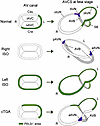 Figure 6
Model for the formation of atrioventricular conduction axis under normal and laterality-defective conditions. Schematic representations of the AV canal (left) and AVCS (right), derived from the AV canal and the IV ring under various conditions, are shown. Green areas denote the expression domain of Pitx2c. The connection between the AV node and AV bundle is established at the crosspoint(s) of the AV and IV rings, where Pitx2c expression is absent. The extent of loss and gain of Pitx2c expression in right and left atrial isomerism, respectively, varies depending on the underlying cause. In right isomerism, the AV rings with atrioventricular septal defect are depicted. In left isomerism, the most severe case — likely causing a hypoplastic AV node and AV dissociation in patients (35) — is shown. The corrected TGA model is based on the hypothesis that Pitx2c-expressing cells in the left LPM are inversely assigned to the AV canal and IV ring by reversed cardiac looping. AVB, atrioventricular bundle; (a/p)AVN, (anterior/posterior) atrioventricular node; Cau, caudal; Cra, cranial; cTGA, corrected transposition of the great arteries; (i/s)AVC, (inferior/superior) atrioventricular cushion; ISO, isomerism; (l/r)AVR, (left/right) atrioventricular ring; SB, septal branch.
In this study, we found that the left-right axis determines the disposition of the AVCS, most likely via Pitx2 expression. The asymmetric expression of Pitx2 in the heart is also required for ventricular remodeling, including that of the AV canal and IV septum (46). Thus, dysregulated Pitx2 expression is expected to cause both structural defects and abnormalities in the disposition and integrity of the AVCS, reflecting its dual role in cardiac morphogenesis and development of the conduction system. Moreover, malformations of AV connection, even those independent of laterality defects, may also alter the final position of Pitx2-expressing domains. Evaluation of the Pitx2 expression domains at the AV junction in such CHDs may provide important insights into the mechanisms underlying malformed AVCS.


