
Research ArticleCardiologyInflammationMetabolism
Open Access |  10.1172/jci.insight.199622
Inhibition of calpain-mediated HMGB1 alleviates cardiac inflammation and dysfunction induced by ultra-processed foods
Claire Ross,1 Sanskruti Ravindra Gare,1 Nasser H.O. Alatawi,1 Oveena Fonseka,1 Xinyi Chen,1 Jiayan Zhang,1 Yihua Han,1 Andrea Ruiz-Velasco,1 Riham R.E. Abouleisa,2 Yingjuan Liu,1 Xiangjun Zhao,1 Han Xiao,3 Bernard D. Keavney,1,4 Gareth J. Howell,1 Tao Wang,1 Tamer M.A. Mohamed,1,2 Elizabeth J. Cartwright,1 and Wei Liu1
1Faculty of Biology, Medicine and Health, The University of Manchester, Manchester, United Kingdom.
2Surgery Department, Baylor College of Medicine, Houston, Texas, USA.
3Department of Cardiology and Institute of Vascular Medicine, Peking University Third Hospital, Beijing, China.
4Manchester Heart Centre, Manchester University Hospitals NHS Foundation Trust, Manchester Academic Health Science Centre, Manchester, United Kingdom.
Address correspondence to: Wei Liu, Core Technology Facility, Faculty of Biology, Medicine and Health, University of Manchester, Manchester, M13 9WU, United Kingdom. Email: wei.liu@manchester.ac.uk.
Find articles by Ross, C. in: PubMed | Google Scholar
1Faculty of Biology, Medicine and Health, The University of Manchester, Manchester, United Kingdom.
2Surgery Department, Baylor College of Medicine, Houston, Texas, USA.
3Department of Cardiology and Institute of Vascular Medicine, Peking University Third Hospital, Beijing, China.
4Manchester Heart Centre, Manchester University Hospitals NHS Foundation Trust, Manchester Academic Health Science Centre, Manchester, United Kingdom.
Address correspondence to: Wei Liu, Core Technology Facility, Faculty of Biology, Medicine and Health, University of Manchester, Manchester, M13 9WU, United Kingdom. Email: wei.liu@manchester.ac.uk.
Find articles by Gare, S. in: PubMed | Google Scholar
1Faculty of Biology, Medicine and Health, The University of Manchester, Manchester, United Kingdom.
2Surgery Department, Baylor College of Medicine, Houston, Texas, USA.
3Department of Cardiology and Institute of Vascular Medicine, Peking University Third Hospital, Beijing, China.
4Manchester Heart Centre, Manchester University Hospitals NHS Foundation Trust, Manchester Academic Health Science Centre, Manchester, United Kingdom.
Address correspondence to: Wei Liu, Core Technology Facility, Faculty of Biology, Medicine and Health, University of Manchester, Manchester, M13 9WU, United Kingdom. Email: wei.liu@manchester.ac.uk.
Find articles by Alatawi, N. in: PubMed | Google Scholar
1Faculty of Biology, Medicine and Health, The University of Manchester, Manchester, United Kingdom.
2Surgery Department, Baylor College of Medicine, Houston, Texas, USA.
3Department of Cardiology and Institute of Vascular Medicine, Peking University Third Hospital, Beijing, China.
4Manchester Heart Centre, Manchester University Hospitals NHS Foundation Trust, Manchester Academic Health Science Centre, Manchester, United Kingdom.
Address correspondence to: Wei Liu, Core Technology Facility, Faculty of Biology, Medicine and Health, University of Manchester, Manchester, M13 9WU, United Kingdom. Email: wei.liu@manchester.ac.uk.
Find articles by Fonseka, O. in: PubMed | Google Scholar
1Faculty of Biology, Medicine and Health, The University of Manchester, Manchester, United Kingdom.
2Surgery Department, Baylor College of Medicine, Houston, Texas, USA.
3Department of Cardiology and Institute of Vascular Medicine, Peking University Third Hospital, Beijing, China.
4Manchester Heart Centre, Manchester University Hospitals NHS Foundation Trust, Manchester Academic Health Science Centre, Manchester, United Kingdom.
Address correspondence to: Wei Liu, Core Technology Facility, Faculty of Biology, Medicine and Health, University of Manchester, Manchester, M13 9WU, United Kingdom. Email: wei.liu@manchester.ac.uk.
Find articles by Chen, X. in: PubMed | Google Scholar
1Faculty of Biology, Medicine and Health, The University of Manchester, Manchester, United Kingdom.
2Surgery Department, Baylor College of Medicine, Houston, Texas, USA.
3Department of Cardiology and Institute of Vascular Medicine, Peking University Third Hospital, Beijing, China.
4Manchester Heart Centre, Manchester University Hospitals NHS Foundation Trust, Manchester Academic Health Science Centre, Manchester, United Kingdom.
Address correspondence to: Wei Liu, Core Technology Facility, Faculty of Biology, Medicine and Health, University of Manchester, Manchester, M13 9WU, United Kingdom. Email: wei.liu@manchester.ac.uk.
Find articles by Zhang, J. in: PubMed | Google Scholar
1Faculty of Biology, Medicine and Health, The University of Manchester, Manchester, United Kingdom.
2Surgery Department, Baylor College of Medicine, Houston, Texas, USA.
3Department of Cardiology and Institute of Vascular Medicine, Peking University Third Hospital, Beijing, China.
4Manchester Heart Centre, Manchester University Hospitals NHS Foundation Trust, Manchester Academic Health Science Centre, Manchester, United Kingdom.
Address correspondence to: Wei Liu, Core Technology Facility, Faculty of Biology, Medicine and Health, University of Manchester, Manchester, M13 9WU, United Kingdom. Email: wei.liu@manchester.ac.uk.
Find articles by Han, Y. in: PubMed | Google Scholar
1Faculty of Biology, Medicine and Health, The University of Manchester, Manchester, United Kingdom.
2Surgery Department, Baylor College of Medicine, Houston, Texas, USA.
3Department of Cardiology and Institute of Vascular Medicine, Peking University Third Hospital, Beijing, China.
4Manchester Heart Centre, Manchester University Hospitals NHS Foundation Trust, Manchester Academic Health Science Centre, Manchester, United Kingdom.
Address correspondence to: Wei Liu, Core Technology Facility, Faculty of Biology, Medicine and Health, University of Manchester, Manchester, M13 9WU, United Kingdom. Email: wei.liu@manchester.ac.uk.
Find articles by Ruiz-Velasco, A. in: PubMed | Google Scholar
1Faculty of Biology, Medicine and Health, The University of Manchester, Manchester, United Kingdom.
2Surgery Department, Baylor College of Medicine, Houston, Texas, USA.
3Department of Cardiology and Institute of Vascular Medicine, Peking University Third Hospital, Beijing, China.
4Manchester Heart Centre, Manchester University Hospitals NHS Foundation Trust, Manchester Academic Health Science Centre, Manchester, United Kingdom.
Address correspondence to: Wei Liu, Core Technology Facility, Faculty of Biology, Medicine and Health, University of Manchester, Manchester, M13 9WU, United Kingdom. Email: wei.liu@manchester.ac.uk.
Find articles by Abouleisa, R. in: PubMed | Google Scholar
1Faculty of Biology, Medicine and Health, The University of Manchester, Manchester, United Kingdom.
2Surgery Department, Baylor College of Medicine, Houston, Texas, USA.
3Department of Cardiology and Institute of Vascular Medicine, Peking University Third Hospital, Beijing, China.
4Manchester Heart Centre, Manchester University Hospitals NHS Foundation Trust, Manchester Academic Health Science Centre, Manchester, United Kingdom.
Address correspondence to: Wei Liu, Core Technology Facility, Faculty of Biology, Medicine and Health, University of Manchester, Manchester, M13 9WU, United Kingdom. Email: wei.liu@manchester.ac.uk.
Find articles by Liu, Y. in: PubMed | Google Scholar
1Faculty of Biology, Medicine and Health, The University of Manchester, Manchester, United Kingdom.
2Surgery Department, Baylor College of Medicine, Houston, Texas, USA.
3Department of Cardiology and Institute of Vascular Medicine, Peking University Third Hospital, Beijing, China.
4Manchester Heart Centre, Manchester University Hospitals NHS Foundation Trust, Manchester Academic Health Science Centre, Manchester, United Kingdom.
Address correspondence to: Wei Liu, Core Technology Facility, Faculty of Biology, Medicine and Health, University of Manchester, Manchester, M13 9WU, United Kingdom. Email: wei.liu@manchester.ac.uk.
Find articles by Zhao, X. in: PubMed | Google Scholar
1Faculty of Biology, Medicine and Health, The University of Manchester, Manchester, United Kingdom.
2Surgery Department, Baylor College of Medicine, Houston, Texas, USA.
3Department of Cardiology and Institute of Vascular Medicine, Peking University Third Hospital, Beijing, China.
4Manchester Heart Centre, Manchester University Hospitals NHS Foundation Trust, Manchester Academic Health Science Centre, Manchester, United Kingdom.
Address correspondence to: Wei Liu, Core Technology Facility, Faculty of Biology, Medicine and Health, University of Manchester, Manchester, M13 9WU, United Kingdom. Email: wei.liu@manchester.ac.uk.
Find articles by Xiao, H. in: PubMed | Google Scholar
1Faculty of Biology, Medicine and Health, The University of Manchester, Manchester, United Kingdom.
2Surgery Department, Baylor College of Medicine, Houston, Texas, USA.
3Department of Cardiology and Institute of Vascular Medicine, Peking University Third Hospital, Beijing, China.
4Manchester Heart Centre, Manchester University Hospitals NHS Foundation Trust, Manchester Academic Health Science Centre, Manchester, United Kingdom.
Address correspondence to: Wei Liu, Core Technology Facility, Faculty of Biology, Medicine and Health, University of Manchester, Manchester, M13 9WU, United Kingdom. Email: wei.liu@manchester.ac.uk.
Find articles by Keavney, B. in: PubMed | Google Scholar
1Faculty of Biology, Medicine and Health, The University of Manchester, Manchester, United Kingdom.
2Surgery Department, Baylor College of Medicine, Houston, Texas, USA.
3Department of Cardiology and Institute of Vascular Medicine, Peking University Third Hospital, Beijing, China.
4Manchester Heart Centre, Manchester University Hospitals NHS Foundation Trust, Manchester Academic Health Science Centre, Manchester, United Kingdom.
Address correspondence to: Wei Liu, Core Technology Facility, Faculty of Biology, Medicine and Health, University of Manchester, Manchester, M13 9WU, United Kingdom. Email: wei.liu@manchester.ac.uk.
Find articles by
Howell, G.
in:
PubMed
|
Google Scholar
|

1Faculty of Biology, Medicine and Health, The University of Manchester, Manchester, United Kingdom.
2Surgery Department, Baylor College of Medicine, Houston, Texas, USA.
3Department of Cardiology and Institute of Vascular Medicine, Peking University Third Hospital, Beijing, China.
4Manchester Heart Centre, Manchester University Hospitals NHS Foundation Trust, Manchester Academic Health Science Centre, Manchester, United Kingdom.
Address correspondence to: Wei Liu, Core Technology Facility, Faculty of Biology, Medicine and Health, University of Manchester, Manchester, M13 9WU, United Kingdom. Email: wei.liu@manchester.ac.uk.
Find articles by Wang, T. in: PubMed | Google Scholar
1Faculty of Biology, Medicine and Health, The University of Manchester, Manchester, United Kingdom.
2Surgery Department, Baylor College of Medicine, Houston, Texas, USA.
3Department of Cardiology and Institute of Vascular Medicine, Peking University Third Hospital, Beijing, China.
4Manchester Heart Centre, Manchester University Hospitals NHS Foundation Trust, Manchester Academic Health Science Centre, Manchester, United Kingdom.
Address correspondence to: Wei Liu, Core Technology Facility, Faculty of Biology, Medicine and Health, University of Manchester, Manchester, M13 9WU, United Kingdom. Email: wei.liu@manchester.ac.uk.
Find articles by Mohamed, T. in: PubMed | Google Scholar
1Faculty of Biology, Medicine and Health, The University of Manchester, Manchester, United Kingdom.
2Surgery Department, Baylor College of Medicine, Houston, Texas, USA.
3Department of Cardiology and Institute of Vascular Medicine, Peking University Third Hospital, Beijing, China.
4Manchester Heart Centre, Manchester University Hospitals NHS Foundation Trust, Manchester Academic Health Science Centre, Manchester, United Kingdom.
Address correspondence to: Wei Liu, Core Technology Facility, Faculty of Biology, Medicine and Health, University of Manchester, Manchester, M13 9WU, United Kingdom. Email: wei.liu@manchester.ac.uk.
Find articles by Cartwright, E. in: PubMed | Google Scholar
1Faculty of Biology, Medicine and Health, The University of Manchester, Manchester, United Kingdom.
2Surgery Department, Baylor College of Medicine, Houston, Texas, USA.
3Department of Cardiology and Institute of Vascular Medicine, Peking University Third Hospital, Beijing, China.
4Manchester Heart Centre, Manchester University Hospitals NHS Foundation Trust, Manchester Academic Health Science Centre, Manchester, United Kingdom.
Address correspondence to: Wei Liu, Core Technology Facility, Faculty of Biology, Medicine and Health, University of Manchester, Manchester, M13 9WU, United Kingdom. Email: wei.liu@manchester.ac.uk.
Find articles by Liu, W. in: PubMed | Google Scholar
Published April 22, 2026 - More info
JCI Insight. 2026;11(11):e199622. https://doi.org/10.1172/jci.insight.199622.
© 2026 Ross et al. This work is licensed under the Creative Commons Attribution 4.0 International License. To view a copy of this license, visit http://creativecommons.org/licenses/by/4.0/.
Received: August 27, 2025; Accepted: April 2, 2026

-
Results
Calpain-1 and HMGB1 are associated with cardiac inflammation in HF. RNA sequencing was conducted on failing heart samples obtained from humans with metabolic disorders to assess cardiac inflammation in metabolic stress–associated HF. Pathway analysis using ShinyGO 0.82 (Supplemental Methods; supplemental material available online with this article; https://doi.org/10.1172/jci.insight.199622DS1) revealed significantly altered inflammatory pathways (Figure 1A). A similar phenomenon was observed in the hearts of mice fed with a high-fat diet (HFD, 60% calorie from fat) for 25 weeks (Figure 1B). As an important trigger of the inflammatory response, HMGB1 was increased in the cytosol of failing human hearts (Figure 2, A–C). Since calpain-1 impairs the redox state intracellularly, the synchronous augmented levels of calpain-1 expression and activity, and ROS, as indicated by dihydroethidium (DHE) staining, were observed (Figure 2, A, D, and E).
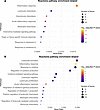 Figure 1
Inflammation is increased in diabetes-associated heart failure (HF). (A and B) GO cellular biological process analysis of differentially expressed genes in human HF versus normal hearts (n = 4–12) (305 genes with absolute fold change greater than 1) (A) and hearts obtained from mice fed a 25-week high-fat diet (HFD) or chow diet (n = 6) (998 genes with absolute fold change greater than 1) (B).
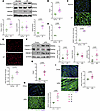 Figure 2
Oxidative stress is associated with increased cardiac HMGB1 and calpain-1 upon ultra-processed diet (UPD). (A) Representative immunoblots and quantification demonstrating cytosolic HMGB1, calpain-1, and calpain-2 expression in human HF hearts, where GAPDH was used as a loading control (n = 5–10 hearts). (B) qPCR of HMGB1 (n = 8–16 hearts). (C) Representative images and quantification of cardiac HMGB1 (scale bars: 20 μm) in human HF hearts (n = 3–5 hearts). (D) Calpain activity assay in human HF versus normal hearts (n = 4 hearts). (E) Representative images and quantification of cardiac DHE (scale bars: 50 μm) in human HF hearts (n = 3–5 hearts). (F) Representative immunoblots and quantification demonstrating HMGB1, calpain-1, and calpain-2 expression in murine hearts following 12 weeks of UPD or chow diet, where β-actin was used as a loading control (n = 6 hearts). (G) qPCR of Hmgb1 (n = 6 hearts). (H and I) Representative images and quantification of cardiac HMGB1 (H) (scale bars: 20 μm) and 4HNE (I) (scale bars: 50 μm) in murine hearts following 12 weeks of UPD or chow diet (n = 4–6 hearts). Data are presented as mean ± SEM, with solid and hollow symbols representing male and female mice, respectively (F–I). P values were calculated using 2-tailed Student’s t tests (A, B, F, and G) and Mann-Whitney tests (C–E, H, and I).
Comparing preclinical models of metabolic disorders induced by various diets, mice fed with a UPD were more susceptible to both diastolic and systolic dysfunction within the same time frame (Supplemental Figure 1 and Supplemental Table 1). UPD promoted cardiac inflammation, firstly evidenced by the higher levels of proinflammatory genes (Tnfa, Il1b, Il6, and Crp) but lower levels of antiinflammatory genes (Arg1, Il10, and Gdf15) in the myocardium (Supplemental Figure 2, A and B). Of note, calpain-1 (but not calpain-2) and HMGB1 were increased significantly in the hearts of mice fed with a UPD (Figure 2, F–H), which was associated with oxidative stress as indicated by elevated 4-hydroxynonenal (4HNE) expression, which itself is generated in response to ROS (Figure 2I) and an increase in the expression of antioxidant (Sod2 and Gpx1) genes (Supplemental Figure 2C). These were strongly linked to a profound rise in pathological cardiac remodeling markers (Nppb, Col1a2, and Col3a1) (Supplemental Figure 2D). Noticeably, recombinant calpain-1 protein increased intracellular ROS and cytosolic HMGB1 levels, concurrently with confirmed overexpression of calpain-1 protein, in both neonatal rat cardiomyocytes (NRCMs) and hiPSC-CMs (Supplemental Figure 3, A–F). Furthermore, overexpression of calpain-1 in NRCMs similarly correlated with elevation in ROS and cytosolic HMGB1 levels (Supplemental Figure 4, A–C). These data indicate the possible relationship between the cascade of calpain-1, ROS, HMGB1, and cardiac inflammation in UPD-induced metabolic disorder.
Cardiac CAST overexpression ameliorates UPD-induced cardiac dysfunction and oxidative stress. To test the hypothesis that calpain-1 initiates the harmful effects, we assessed whether the specific inhibition of cardiac calpain-1 in the myocardium ameliorates the detrimental effects of UPD-induced cardiac dysfunction. Calpastatin (CAST) is an endogenous protein that inhibits the activity of calpain (27), including the most predominant member, calpain-1, that was increased in the failing heart (Figure 2, A and F). Thus, adeno-associated virus 9 carrying the human CAST cDNA sequence driven by the cardiac troponin T (cTnT) promoter (AAV9-cTnT-CAST), which achieved cardiac overexpression of CAST (Supplemental Figure 5, A and B), was used to block calpain-1, as indicated by a significant reduction in cardiac calpain activity (Supplemental Figure 6). Since mice fed with UPD exhibited a significant decrease in diastolic function 4 weeks after feeding (Supplemental Table 2), mice were intravenously injected with AAV9-cTnT-CAST after 4 weeks (Figure 3A) to determine whether cardiac dysfunction can be treated by blockage of calpain activity. Firstly, UPD-fed male and female mice receiving AAV9-cTnT-eGfp displayed increased isovolumic relaxation time (IVRT), an increase in the ratio of early to late diastolic filling velocities of the left ventricle (E/A ratio), pulmonary edema indicated by higher lung weight to tibia length ratio (Figure 3, B and C, and Supplemental Table 3), and decreased percentages of ejection fraction (EF%) and fractional shortening (FS%) (Figure 3, D and E, and Supplemental Table 3), validating UPD-induced cardiac dysfunction. However, mice with cardiac CAST overexpression exhibited significant improvement in both diastolic and systolic functional parameters in both sexes (Figure 3, B–E, and Supplemental Table 3).
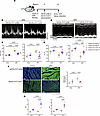 Figure 3
Cardiac-specific calpain inhibition reduces ultra-processed diet–induced cardiac dysfunction and oxidative stress in both sexes of mice. (A) Schematic of the experimental design. (B) Representative pulsed-wave Doppler tracings. (C) Isovolumic relaxation time (IVRT) and ratio of peak velocity blood flow from left ventricular relaxation in early diastole to that in late diastole (E/A) (n = 6–10 mice). (D) Representative left ventricular M-mode echocardiographic tracings in short-axis view. (E) Percentage of ejection fraction (EF%) and fractional shortening (FS%) (n = 6–10 mice). (F) Representative images and quantification of cardiac 4HNE staining (green) with DAPI-stained nuclei (blue) (scale bars: 50 μm) (n = 4 hearts). (G) qPCR of antioxidant genes Sod2 and Gpx1 (n = 6 hearts). Data are presented as mean ± SEM, with solid and hollow symbols representing male and female mice respectively. P values were calculated using 2-way ANOVA with Šidák’s post hoc test (C and E–G). UPD, ultra-processed diet.
Of note, metabolic disorder was induced by the UPD, evidenced by increased body weight and fasting blood glucose levels, and impaired glucose tolerance test, which was unaffected by cardiac CAST overexpression (Supplemental Figure 7, A–C), indicating that the improved cardiac performance is independent of systemic metabolic changes. Moreover, UPD contributed to pathological cardiac remodeling, evidenced by cardiomyocyte hypertrophic growth (Supplemental Figure 8, A and B), cardiac fibrosis (Supplemental Figure 8, A and C), and profound apoptosis in the myocardium (Supplemental Figure 8D). In contrast, the harmful effects of UPD were alleviated in cardiac CAST–overexpressing mice (Supplemental Figure 8, A–D). More importantly, UPD-induced oxidative stress in the myocardium was ameliorated by CAST overexpression (Figure 3F), accompanied by augmented levels of antioxidant genes, such as Sod2 and Gpx1 (Figure 3G). Taken together, these observations suggest that cardiac-specific calpain inhibition protects the heart against UPD-induced dysfunction.
Cardiac CAST overexpression mitigates inflammation in the myocardium upon UPD feeding. Next, we assessed myocardial inflammation in the diseased state in the presence and absence of CAST overexpression. First, the number of macrophages increased in the hearts of mice fed with a UPD for 12 weeks, which was determined by the increased amount of Mac3+ cells (a general macrophage marker) (Figure 4A) and CD86+ cells (a specific M1 macrophage marker indicating proinflammation) (Figure 4B). Strikingly, the levels of both Mac3 and CD86 were significantly decreased in the hearts overexpressing CAST (Figure 4, A and B). Furthermore, the increased transcripts of proinflammatory genes, such as Tnfa, Il1b, Il6, and Crp, in the myocardium of mice fed with an UPD were all ameliorated by cardiac CAST overexpression (Figure 4C). Conversely, the expression of antiinflammatory genes, such as Il10, Arg1, and Gdf15, were augmented in UPD-fed mice by the inhibition of calpain-1 (Figure 4D). More convincingly, flow cytometry performed on isolated macrophages from the collected hearts demonstrated that there was a decrease in the proinflammatory M1 subtype (CD86+) macrophages in CAST-overexpressing mice in comparison with the untreated UPD-fed group (Supplemental Figure 9 and Figure 4, E–G). As expected, HMGB1 in the myocardium was promoted by UPD for 12 weeks (Figure 5, A–C); however, both its transcript (Figure 5A) and protein levels (Figure 5, B and C) were blunted by CAST overexpression (Figure 5, A–C). Collectively, we have demonstrated that cardiac CAST overexpression prevents oxidative stress and myocardial inflammation in UPD-induced cardiac dysfunction, at least partially resulting from downregulation of HMGB1.
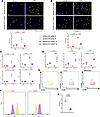 Figure 4
Cardiac-specific calpain inhibition reduces ultra-processed diet–induced cardiac inflammation. (A) Representative images and quantification of cardiac Mac3 staining (red, arrows) with DAPI-stained nuclei (blue) (scale bars: 20 μm) (n = 4–6 hearts). (B) Representative images and quantification of cardiac CD86 staining (green, arrows) with DAPI-stained nuclei (blue) (scale bars: 20 μm) (n = 4–6 hearts). (C and D) qPCR of proinflammatory (C) and antiinflammatory (D) genes. (E) Representative flow contour plots of CD86+ and CD206+ macrophages in the heart. (F) Representative histograms displaying CD86+ and CD206+ macrophage subtypes in the heart. (G) Quantification of the relative ratio of M1 and M2 macrophages (M1/M2) (n = 4 hearts). Data are presented as mean ± SEM, with solid and hollow symbols representing male and female mice, respectively. P values were calculated using 2-way ANOVA with Šidák’s post hoc test (A–D) and Mann-Whitney test (G). UPD, ultra-processed diet.
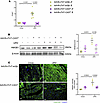 Figure 5
Cardiac-specific calpain inhibition decreases cardiac HMGB1. (A) qPCR of Hmgb1 (n = 6 hearts). (B) Representative immunoblots and quantification demonstrating HMGB1 expression in response to ultra-processed diet (UPD) and CAST overexpression, where β-actin was used as a loading control (n = 4 hearts). (C) Representative images and quantification of cardiac HMGB1 staining (green) with DAPI-stained nuclei (blue) (scale bars: 50 μm) (n = 4 hearts). Data are presented as mean ± SEM, with solid and hollow symbols representing male and female mice, respectively. P values were calculated using 2-way ANOVA with Šidák’s post-hoc test (A–C).
A pharmacological inhibitor of calpain-1 delivers beneficial effects on cardiac function. To assess the potential benefits of calpain-1 inhibition for the treatment of UPD-induced HF, the pharmacological inhibitor of calpain family, calpeptin, was administered to mice under UPD stress. Following feeding with the UPD for 4 weeks, weekly intravenous injections of calpeptin (10 mg/kg) were performed for an additional 8 weeks (Figure 6A). Although systemic metabolic profiles were unchanged by calpeptin treatment, as shown by similar body weight, fasting blood glucose level, and glucose tolerance capability (Supplemental Figure 10, A–C), echocardiography assessment revealed that compared with UPD-fed mice that received a placebo (vehicle), calpeptin administration rescued diastolic dysfunction, as determined by reduced IVRT and E/A ratio in both male and female mice (Figure 6, B and C, and Supplemental Table 4). In addition, cardiac hypertrophy, indicated by the ratio of heart weight to tibia length, and the complementary systolic dysfunction were both ameliorated by weekly administration of calpeptin in both sexes fed a UPD (Figure 6, D and E, and Supplemental Table 4). Akin to CAST overexpression, pharmacological inhibition of calpain-1 also attenuated pathological cardiac remodeling, indicated by less hypertrophy (Supplemental Figure 11, A and B, and Supplemental Table 4), fibrosis (Supplemental Figure 11, A and C), and cell death (Supplemental Figure 11D). Furthermore, the observed changes in 4HNE expression determined that calpeptin treatment reduced oxidative stress in the myocardium following UPD feeding (Figure 6F). This was further evidenced by the higher levels of antioxidant genes, such as Sod2 and Gpx1, due to calpeptin administration (Figure 6G). Pharmacological treatment–based data supported the protective action of calpain inhibition to tackle the metabolic stress provoked by UPD.
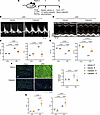 Figure 6
Pharmacological inhibition of calpain reduces ultra-processed diet–induced cardiac dysfunction and oxidative stress in both sexes of mice. (A) Schematic of the experimental design. (B) Representative pulsed-wave Doppler tracings. (C) Isovolumic relaxation time (IVRT) and ratio of peak velocity blood flow from left ventricular relaxation in early diastole to that in late diastole (E/A) (n = 4–6 mice). (D) Representative left ventricular M-mode echocardiographic tracings in short-axis view. (E) Percentage of ejection fraction (EF%) and fractional shortening (FS%) (n = 4–6 mice). (F) Representative images and quantification of cardiac 4HNE staining (green) with DAPI-stained nuclei (blue) (scale bars: 50 μm) (n = 4 hearts). (G) qPCR of antioxidant genes Sod2 and Gpx1 (n = 6 hearts). Data are presented as mean ± SEM, with solid and hollow symbols representing male and female mice, respectively. P values were calculated using 2-way ANOVA with Šidák’s post hoc test (C and E–G). UPD, ultra-processed diet.
Calpeptin administration ameliorates HMGB1-associated inflammation in the heart. Immunofluorescent staining of the heart for Mac3 (Figure 7A) and CD86 (Figure 7B) indicated that calpeptin treatment countered UPD-induced macrophage infiltration in the myocardium, particularly impeding M1 macrophages from promoting inflammation. The augmented proinflammatory response as a result of the UPD was limited by treatment with calpeptin, as determined by diminished transcript levels of Tnfa, Il1b, Il6, and Crp in the myocardium (Figure 7C). In contrast, the transcripts of antiinflammatory genes (Arg1, Il10, and Gdf15) were enhanced in the hearts of mice treated with calpeptin receiving the UPD (Figure 7D). Similar to the genetic modulation, there was a decrease in the proinflammatory M1 (CD86+) macrophages in calpeptin-treated mice in comparison with the untreated UPD-fed group in both sexes (Supplemental Figure 12 and Figure 7, E–G). In line with the observations obtained from CAST-overexpressing hearts, HMGB1 levels were remarkably reduced in calpeptin-treated mice under UPD stress (Figure 8, A–C). Altogether, these data suggest that either genetic intervention or pharmacological treatment to block HMGB1 levels can counteract myocardial oxidative stress and the rising HMGB1 levels in the myocardium, thereby protecting the heart against UPD-induced inflammation and decelerating the onset and progression of HF.
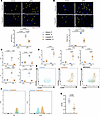 Figure 7
Pharmacological inhibition of calpain reduces ultra-processed diet–induced cardiac inflammation. (A) Representative images and quantification of cardiac Mac3 staining (red, arrows) with DAPI-stained nuclei (blue) (scale bars: 20 μm) (n = 4–6 hearts). (B) Representative images and quantification of cardiac CD86 staining (green, arrows) with DAPI-stained nuclei (blue) (scale bars: 20 μm) (n = 4–6 hearts). (C and D) qPCR of proinflammatory (C) and antiinflammatory (D) genes. (E) Representative flow contour plots of CD86+ and CD206+ macrophages in the heart. (F) Representative histograms displaying CD86+ and CD206+ macrophage subtypes in the heart. (G) Quantification of the relative ratio of M1 and M2 macrophages (M1/M2) (n = 4 hearts). Data are presented as mean ± SEM, with solid and hollow symbols representing male and female mice, respectively. P values were calculated using 2-way ANOVA with Šidák’s post hoc test (A–D) and Mann-Whitney test (G).
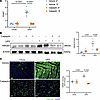 Figure 8
Pharmacological inhibition of calpain decreases cardiac HMGB1. (A) qPCR of Hmgb1 (n = 6 hearts). (B) Representative immunoblots and quantification demonstrating HMGB1 expression in response to ultra-processed diet (UPD) and calpeptin treatment, where β-actin was used as a loading control (n = 4 hearts). (C) Representative images and quantification of cardiac HMGB1 staining (green) with DAPI-stained nuclei (blue) (scale bars: 50 μm) (n = 4 hearts). Data are presented as mean ± SEM, with solid and hollow symbols representing male and female mice, respectively. P values were calculated using 2-way ANOVA with Šidák’s post hoc test (A–C).
Calpain inhibition ameliorates trans FA–induced increased HMGB1 levels in cardiomyocytes and M1 macrophage polarization. Furthermore, we obtained molecular evidence that the abundant FAs in UPFs trigger an inflammatory response through calpain in cardiomyocytes. NRCMs were stimulated with a combination of FAs, including PA (a saturated FA, 500 μM), LA (an omega-6 trans FA, 400 μM), and EA (a trans FA, 400 μM). In response to the stimulation of FAs for 8 hours, cytosolic HMGB1 in NRCMs was significantly increased compared with BSA controls, which was prevented by overexpression of CAST (Supplemental Figure 13 and Figure 9, A and B). Consistently, treatment with calpeptin also restrained FA-induced augmented HMGB1 distribution in the cytosol (Figure 9, C and D). Imbalanced oxidative status triggers HMGB1 cytosolic accumulation and likely its extracellular release (17). As a reactive form of oxygen, superoxide is a major component of oxidative stress. DHE staining supported the notion that FAs in UPFs gave rise to more ROS (Figure 9, E and F); however, either CAST overexpression (Figure 9E) or calpeptin treatment (Figure 9F) alleviated such an impact of FAs on the oxidative state in cardiomyocytes.
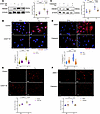 Figure 9
Inhibition of calpain alleviates oxidative stress and HMGB1 in neonatal rat cardiomyocytes (NRCMs) under stress of fatty acids (FAs). (A) Representative immunoblots and quantification of cytosolic HMGB1 expression in NRCMs with CAST overexpression in response to stimulation with FAs (palmitic acid [PA, 500 μM[, elaidic acid [EA, 500 μM], and linoelaidic acid [LA, 500 μM]) for 8 hours, where β-actin was used as a loading control (n = 5 experiments). (B) Representative images and quantification of cytosolic HMGB1 (red) with DAPI-stained nuclei (blue) (scale bars: 20 μm) (n = 50 cells in 3 experiments). (C) Representative immunoblots and quantification of cytosolic HMGB1 in NRCMs with calpeptin treatment (20 μM) under stimulation with FAs for 8 hours, where β-actin was used as a loading control (n = 5 experiments). (D) Representative images and quantification of cytosolic HMGB1 (red) with DAPI-stained nuclei (blue) (scale bars: 20 μm) (n = 50 cells in 3 experiments). (E and F) Representative images and quantification of DHE (scale bars: 50 μm) in NRCMs with CAST overexpression (E) (n = 4 experiments) or calpeptin treatment (F) (n = 5 experiments) under FAs for 8 hours. Data are presented as mean ± SEM. P values were calculated using 2-way ANOVA with Šidák’s post hoc test (A–F).
Enhanced polarization of M1 macrophages is considered a marker of a predominant proinflammatory response. HMGB1 released from stressed cardiomyocytes can induce M1 macrophage polarization and the subsequent activation of cardiac inflammatory response in a paracrine manner (14). Therefore, we evaluated the impact of FAs as well as the effects of inhibiting calpain in cardiomyocytes on subsequent macrophage polarization. Control and CAST-overexpressing NRCMs were stimulated with FAs (BSA as a control); the media were collected to culture phorbol 12-myristate 13-acetate–primed (PMA-primed) human monocytic leukemia cell line, THP-1 cells (Figure 10A). Flow cytometry analyses revealed that THP-1 cells treated with the conditioned media obtained from FA-stimulated NRCMs exhibited an increased proportion of M1 macrophages (CD86+ cells) compared with M2 macrophages (CD206+ cells) (Supplemental Figure 14 and Figure 10, B–D). Importantly, THP-1 cells exposed to the media obtained from NRCMs with CAST overexpression showed less M1 macrophage polarization (Supplemental Figure 14 and Figure 10, B–D). These results explain the in vivo phenotype, implying that increased cardiac HMGB1 triggers cardiac inflammation, while inhibition of calpain in cardiomyocytes can suppress this inflammatory response.
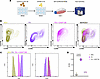 Figure 10
CAST overexpression (OE) in neonatal rat cardiomyocytes (NRCMs) reverses fatty acid–induced macrophage proinflammatory phenotype. (A) Experimental design of culture of THP-1 using the conditional media from NRCMs. (B) Representative flow contour plots of CD86+ and CD206+ macrophages following exposure to conditioned media. (C) Representative histograms displaying CD86+ and CD206+ macrophage subtypes. (D) Quantification of the relative ratio of M1 and M2 macrophages (M1/M2) (n = 3 experiments). Data are presented as mean ± SEM. P values were calculated using Kruskal-Wallis test with Dunn’s post hoc test (D). FA, fatty acid.
CAST overexpression represses HMGB1 in hiPSC-CMs and the related inflammatory response. We next evaluated the above mechanisms underlying trans FAs in UPD mediating inflammation using hiPSC-CMs. The cells were transfected with either CAST or Flag cDNA, as a control, followed by stimulation with FAs (500 μM PA, 400 μM LA, 400 μM EA) for 18 hours. In line with the observations detected in NRCMs, cytosolic HMGB1 was upregulated by FAs in control cells (Figure 11, A and B), along with the higher content of ROS (Figure 11C). CAST overexpression suppressed FA-increased HMGB1 levels and oxidative stress (Figure 11, A–C). Moreover, PMA-primed THP-1 cells were exposed to the conditioned media collected from the cultured hiPSC-CMs. After 24 hours of incubation, polarization of THP-1 cells was assessed by flow cytometry (Supplemental Figure 15). The higher proportion of M1 macrophages was detected following the incubation in media from hiPSC-CMs treated with FAs, which was reversed when THP-1 cells were exposed to the media from hiPSC-CMs with CAST overexpression (Figure 11, D–F). Overall, human-relevant results have also endorsed the findings that saturated and trans FAs in the UPD instigate HMGB1-associated activation of proinflammatory macrophages.
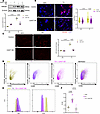 Figure 11
CAST overexpression in human induced pluripotent stem cell–derived cardiomyocytes (hiPSC-CMs) mitigates oxidative stress and subsequent inflammatory response. (A) Representative immunoblots and quantification of cytosolic HMGB1 expression in hiPSC-CMs with CAST overexpression under stimulation with fatty acids (FAs) (palmitic acid [PA, 500 μM], elaidic acid [EA, 500 μM], and linoelaidic acid [LA, 500 μM]) for 18 hours, where β-actin was used as a loading control (n = 3 experiments). (B) Representative images and quantification of cytosolic HMGB1 (red) with DAPI-stained nuclei (blue) (scale bars: 20 μm) (n = 50 cells in 3 experiments). (C) Representative images and quantification of DHE (scale bars: 50 μm) in hiPSC-CMs with CAST overexpression under FA stimulation for 18 hours (n = 3 experiments). (D–F) Representative flow contour plots (D), histograms of CD86+ and CD206+ macrophages (E), and the ratio of M1 and M2 macrophages (F) following exposure to the conditioned media collected from hiPSC-CMs. Data are presented as mean ± SEM. P values were calculated using 2-way ANOVA with Šidák’s post hoc test (A–C) or Kruskal-Wallis with Dunn’s post hoc test (F).
Prevention of oxidative stress has the potential to reduce HMGB1 and reverse cardiac dysfunction. We further provided a causative link between ROS and HMGB1 accumulation in the cytosol in NRCMs and hiPSC-CMs. First, NRCMs were stimulated with hydrogen peroxide (H2O2, 200 μM) for 24 hours, detecting increased intracellular ROS (Supplemental Figure 16A). Increased cytosolic HMGB1 was also detected in response to stimulation with this ROS-inducing compound (Supplemental Figure 16B), supporting the idea that oxidative stress promotes HMGB1 cytosolic distribution. Importantly, treatment with NAC (4 mM), a potent ROS inhibitor, successfully diminished DHE intensity in NRCMs under FA stress (Figure 12A), accompanied by a decline in HMGB1 in the cytosol (Figure 12B).
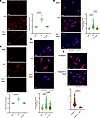 Figure 12
Inhibiting reactive oxygen species (ROS) reduces cytosolic HMGB1 in cardiomyocytes. (A and B) Representative images and quantification of DHE (scale bars: 50 μm) (n = 4 experiments) (A) and cytosolic HMGB1 staining (red) with DAPI-stained nuclei (blue) (scale bars: 20 μm) (n = 50 cells across 3 experiments) (B) in NRCMs stimulated for 8 hours with FAs with or without NAC treatment (4 mM). (C and D) Representative images and quantification of DHE (scale bars: 50 μm) (n = 4 experiments) (C) and cytosolic HMGB1 staining (red) with DAPI-stained nuclei (blue) (scale bars: 20 μm) (n = 50 cells across 3 experiments) (D) in human induced pluripotent stem cell–derived cardiomyocytes (hiPSC-CMs) stimulated for 18 hours with FAs with or without NAC (4 mM). (E) Representative images and quantification of cytosolic HMGB1 staining (red) with DAPI-stained nuclei (blue) (scale bars: 20 μm) (n = 50 cells across 3 experiments) in NRCMs stimulated with recombinant calpain-1 (rCalpain-1) in the presence or absence of NAC (4 mM) for 8 hours. Data are presented as mean ± SEM. P values were calculated using Kruskal-Wallis with Dunn’s post hoc test (A–D) and Mann-Whitney test (E).
Consistent results were noted in hiPSC-CMs, whereby 24 hours of H2O2 treatment (200 μM) significantly increased the levels of ROS (Supplemental Figure 16C) and cytosolic HMGB1 (Supplemental Figure 16D). The detrimental outcomes induced by FA stress were rescued by simultaneous administration of NAC (4 mM) (Figure 12, C and D). Additionally, recombinant calpain-1–increased cytosolic HMGB1 was also ameliorated by concurrent treatment of NAC in vitro (Figure 12E). These data illustrate that calpain-increased cytosolic HMGB1 is through an ROS-dependent manner in cardiomyocytes under stress of saturated and trans FAs.
Furthermore, we sought the treatment potential of NAC in vivo through the blockage of HMGB1. Mice fed with UPD for 4 weeks were administered NAC in drinking water for 8 weeks (Figure 13A). Although systemic metabolic profiles were not altered by the treatment (Supplemental Figure 17), UPD-damaged cardiac function was reversed (Figure 13, B and C, and Supplemental Table 5). Importantly, myocardial inflammation was reduced by NAC treatment, as indicated by fewer Mac3+ cells (Figure 13D) and CD86+ cells (Figure 13E) in the heart. Reduction of HMGB1 was obtained by NAC treatment (Figure 13F). Altogether, the findings provide evidence that blockage of ROS has the beneficial effects of inhibiting HMGB1 and subsequently reversing cardiac dysfunction under stress.
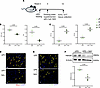 Figure 13
Pharmacological inhibitor of reactive oxygen species (ROS) reduces cardiac dysfunction. (A) Schematic of the experimental design. (B) Isovolumic relaxation time (IVRT) and ratio of peak velocity blood flow from left ventricular relaxation in early diastole in late diastole (E/A) (n = 4 mice). (C) Percentage of ejection fraction (EF%) and fractional shortening (FS%) (n = 4 mice). (D) Representative images of cardiac Mac3 staining (red, arrows) with DAPI-stained nuclei (blue) (scale bars: 20 μm) (4 hearts). (E) Representative images of cardiac CD86 staining (green, arrows) with DAPI-stained nuclei (blue) (scale bars: 20 μm) (4 hearts). (F) Representative immunoblots and quantification demonstrating HMGB1 expression in response to UPD and NAC treatment, where β-actin was used as a loading control (n = 4 hearts). Data are presented as mean ± SEM. P values were calculated using Mann-Whitney tests (B, C, and F).


